10:40 a.m.: the first building, the doorman, and the freight elevator
Most midday routes in a walk-up neighborhood start with a scramble for parking. Double-parked vans and cars line the block outside the first building, with meter maids moving between bumpers. Today's first stop is a prewar six-story with a doorman. Getting inside is usually quick, but the elevator is reserved for move-ins until 11:00. That means five flights up, first thing, or a wait in the lobby, checking the time and the morning's messages from owners.
The doorman nods while holding a clipboard, hands out the keys, and warns about someone moving furniture. The walker's bag includes spare waste bags, bottled water, treats, and a printed sequence of today's route. Five minutes spent waiting for the elevator now will push every step of the day's schedule. Instead, the stairs win. By the third flight, the work feels less like a dog walk and more like a workout.
Keep reading: How to Read and Log a Dog's Bathroom Break on Every Walk
Dog one: a reactive shepherd on a narrow sidewalk at school pickup
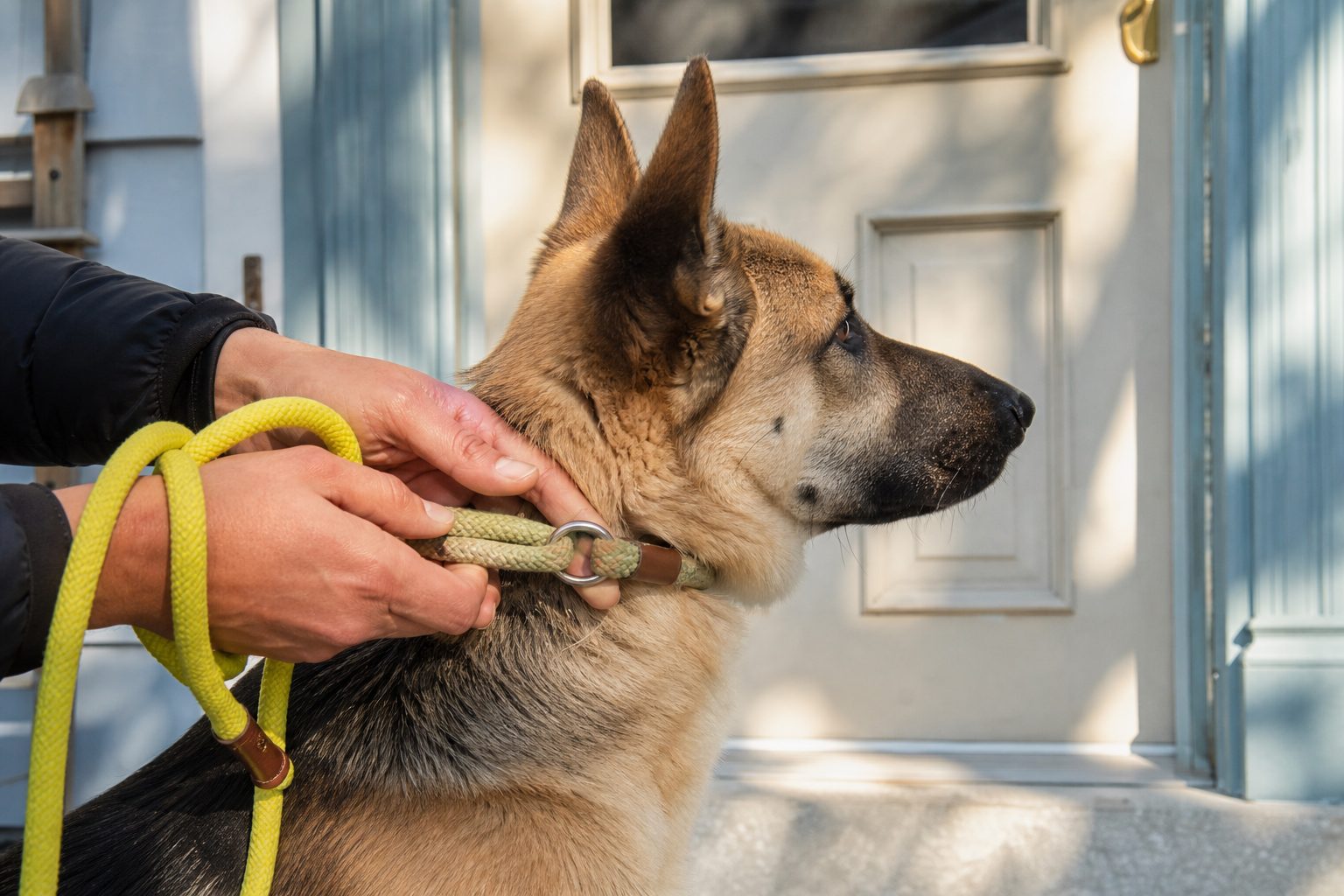
Dog one is a seven-year-old German shepherd with a history of leash reactivity. The walker fits the slip lead, checks the harness, and reviews the day's medication note. The building sits across from an elementary school, so the sidewalk is packed with families and strollers. There is a brief moment to scan the street: kids, scooters, another walker with a doodle heading the opposite way.
The shepherd's triggers are well known. Bicycles and other dogs mean a wide berth. The walker takes side streets, keeping treats handy and the leash short. A delivery truck edges close to the curb, forcing a detour onto a stoop. The shepherd's tension rises at every noise. A quick break behind a parked car allows things to settle. These moments are slow, deliberate, and every second spent here adds up against the next client's clock.
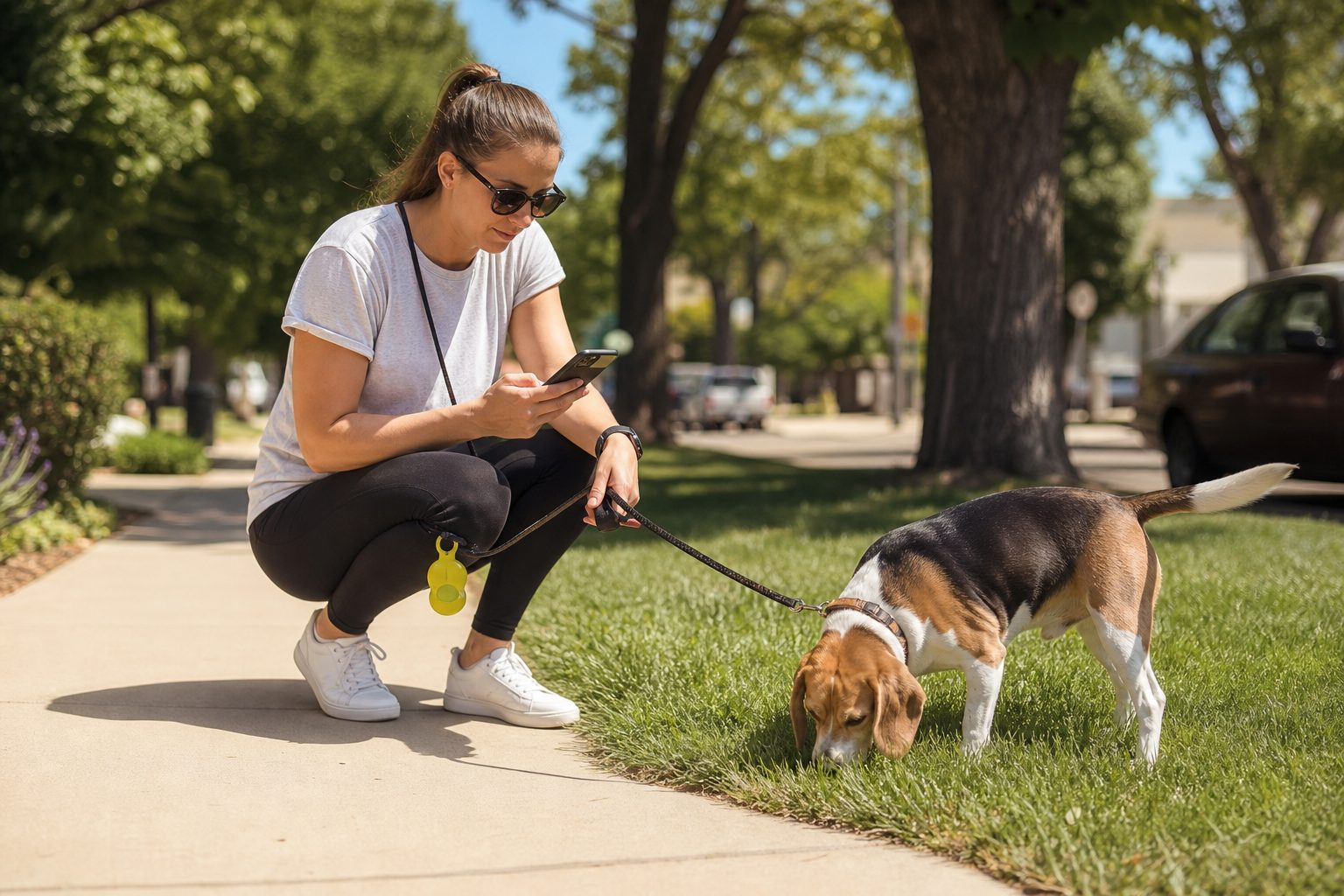
The walk settles into a rhythm once the crowd thins. The dog sniffs a hydrant, circles for a potty break, and the walker logs the event on their phone. There's no margin for skipping this step: owners expect exact records. As the shepherd heads back inside, another dog walker in the building waves, running late already.
What three minutes of lost key time does to the rest of the route
Back at the front desk, the doorman is helping a resident with packages. The walker waits, then finds out the second set of keys for the next apartment is missing. Three minutes pass with calls to the manager and a search behind the desk. A temporary key is found, but the delay is real.
That lost time doesn't show up on the invoice, but it costs somewhere else. Every walk is stacked tight. Three minutes here means three minutes less for a dog who needs coaxing outside, or for jotting a note after a medication dose. By the end of the route, it might mean skipping a coffee or a bathroom break. For a solo walker with a full book, the margin for error is slim. For a business with employees, it means more overtime or extra drive time bleeding into the afternoon schedule.
The walker updates the sequence in their head, double-checks the next key, and heads for the next apartment. The day's rhythm feels just a little less certain.
Keep reading: Group Walks or Solo Walks: Rates, Liability, and City Rules
Dogs two and three: two dogs from one apartment on a shared walk
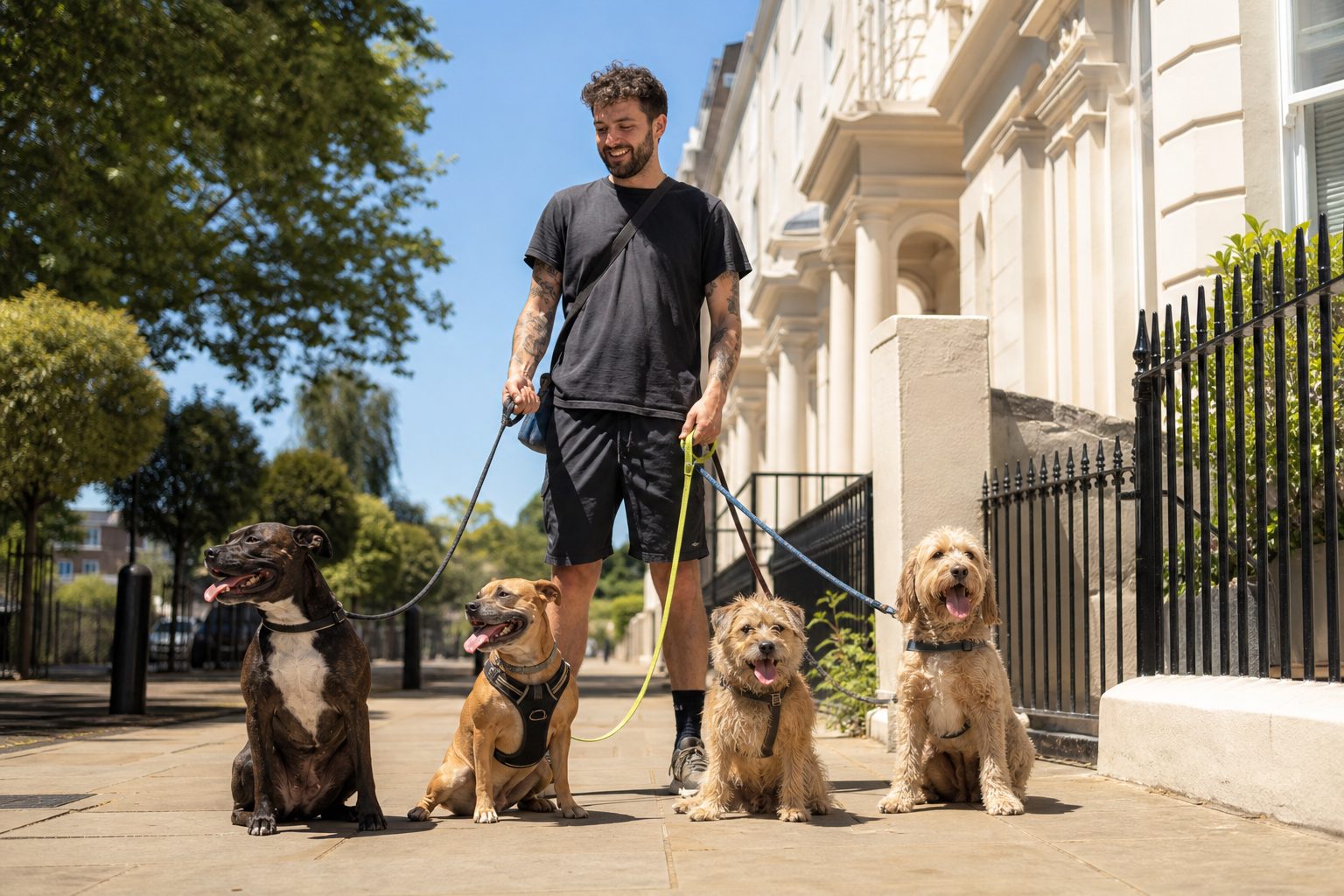
The second stop is a fifth-floor walk-up with two dogs: a terrier mix and a senior pug. The walker climbs the stairs, careful with each step to avoid a misstep that could end the route early. Inside, the dogs greet with different energies: the terrier barks at the door, the pug waits by the leash rack. Shared walks are more efficient, but only if both dogs are willing to move at the same speed.
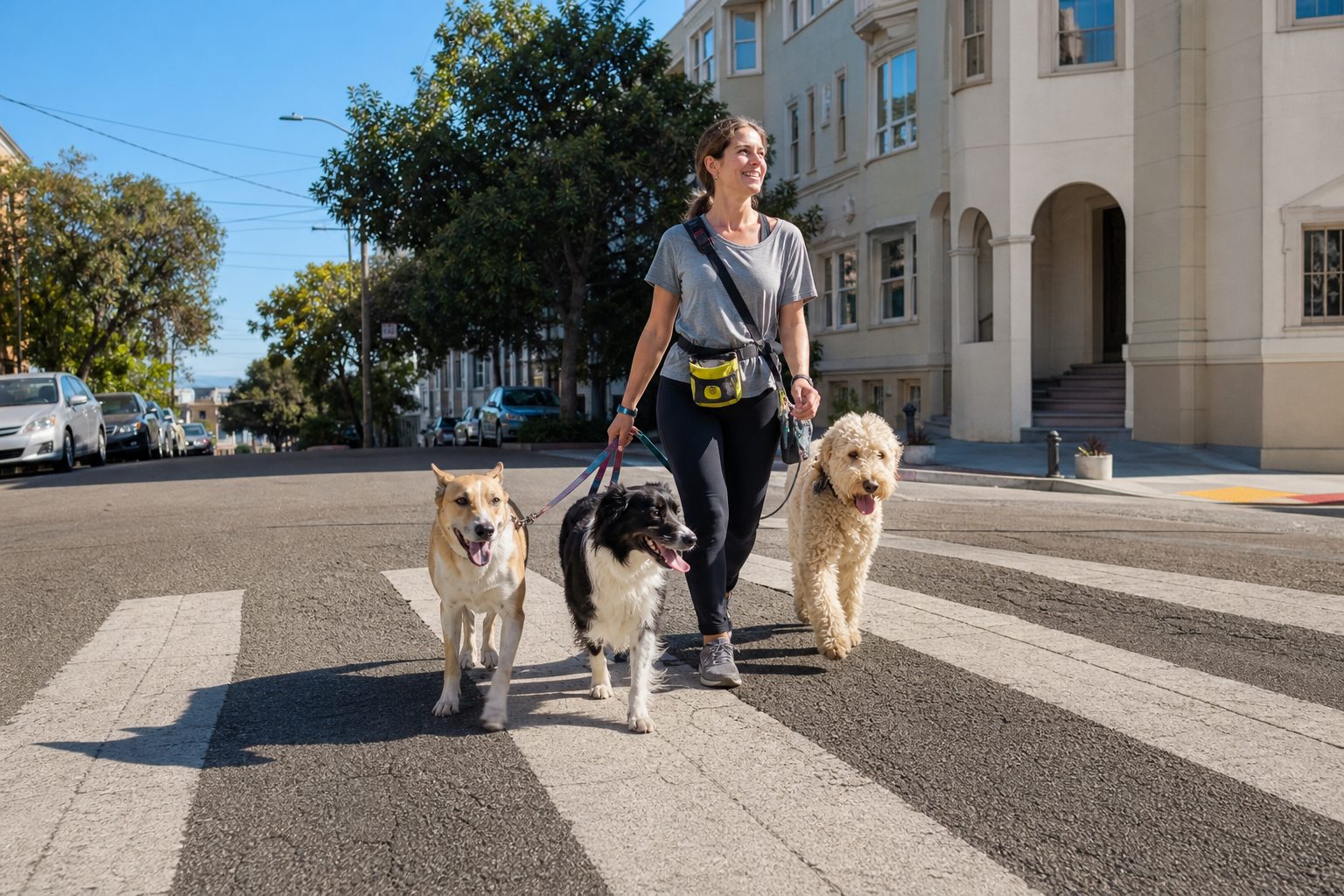
The harnesses go on, water bottles are refilled, and a quick check of the care notes shows the pug's medication was already given that morning. The pair heads out together, tugging in opposite directions for the first block. The walker has to split attention: watching for dropped leashes, traffic at crossings, and making sure both dogs get enough sniff time.
Shared walks can save ten to fifteen minutes over separate walks, especially when both dogs live together and have similar needs. But with a senior dog, there is always the risk of a sudden stop, a refusal to walk further, or a bathroom accident. Today, it's a smooth loop: the terrier does its business on the first corner, the pug waits until the park.
Back upstairs, the walker leaves notes: treats given, water topped up, and the time each dog relieved itself. Every detail matters to owners, especially when the two dogs have different medical histories or diets.
Noon in the park: water, the loop, and the potty log
The walk continues to the neighborhood's small park, a patch of grass dotted with posted "Clean Up After Your Dog" signs and a few benches. Noon brings out sitters, nannies, and other dog walkers. The walker scans for off-leash dogs and keeps an eye on the terrier's body language. A portable water bowl comes out for both dogs. The pug drinks first, slow and deliberate, while the terrier noses the grass for dropped snacks.
This is the time for a quick email check and a look at the walk log app. Every potty stop is marked: type, time, and sometimes even a photo, if the owner requests it. There is no skipping these steps. Most clients expect a summary for every outing, and the details can be crucial for dogs with digestive issues or medication schedules.
The loop around the park takes about fifteen minutes. The walker waves to another local walker, exchanges notes about a loose dog seen that morning, and heads back to the apartment. The time in the park is as much about the dogs' enrichment as it is about record keeping. The walk back is a little slower, the sun is higher, and the dogs are ready for a nap.
See how LeashReport handles this for pet services
Dog four: midday medication and the note left on the counter
Stop four is a third-floor walk-up, a studio apartment with a large, shy labradoodle. The key works on the first try. Inside, the dog waits under the table, tail wagging. The walker sits on the floor, coaxing the dog out with a bit of cheese wrapped around a pill. The dog's medication is precise: given at noon, after a small treat, and logged for the owner's records.
Getting the dog outside is a careful operation. The leash goes on, the door is propped open to avoid a lockout, and the stairs are taken slowly. The dog is hesitant but eventually follows. A short walk to the corner, a quick potty, and then back inside. The walker wipes the dog's paws, checks the water bowl, and leaves a hand-written note on the kitchen counter: "Medication given at 12:05, all good outside, fresh water."
These small details are the substance of trust for clients. Owners want every step tracked, especially for pets with medical needs. The walker snaps a photo of the dog resting on their bed to send with the walk report. Before leaving, there's a final sweep for any chewed items or messes, and the door is double-locked.
The last two houses and the drive that decides the day's margin
With the clock creeping toward 1:00 p.m., the walker heads to the final two stops: both single-family homes three blocks apart. The first house has an energetic beagle with a reputation for door-dashing. The leash is clipped on before the door opens. The beagle bolts for the yard, circles twice, and does its business quickly. The walker logs the event, refills the water, and leaves a quick note on the app for the owner.
The last house is a ranch with a senior cocker spaniel. The walk is slower, more of a sniff-and-stroll than a true exercise session. The owner has left detailed instructions: avoid the neighbor's yard, watch for loose boards on the back fence, and report any limping. The walker checks the dog's paws before heading inside. The spaniel gets a treat and a soft pat on the head.
The final margin for the day is decided in the drive between these two houses. If traffic is light and parking is easy, there are a few minutes to spare. If there's a delay, road work, a garbage truck blocking the street, or a neighbor wanting to chat, those spare minutes disappear. For a single walker, this is the difference between being early for the next client or having to send an apologetic text. For a company with a booked afternoon, it means adjusting the rest of the team's schedule or calling in backup.
What every owner had on their phone before the van pulled away
Before leaving the neighborhood, the walker double-checks that every walk report has been sent. Each owner gets a GPS-tracked route, photos of their dog out and about, and a full record of potty breaks and medication. The walk log app assembles it all automatically, pushing out the update with a tap. There are no missed steps, no forgotten details, and every client's peace of mind rides along with the day's route.
For professional dog walkers, accuracy and proof are now part of the job. Clients expect more than a text message or a smile at pickup. With GPS tracking, photo cards, and real-time potty logs, the right tools turn a complex, minute-by-minute route into a record every owner can trust before the van even pulls away for the next job. Tools like these are now the standard for busy pet care businesses, giving both walker and client a clear view of the day's work.