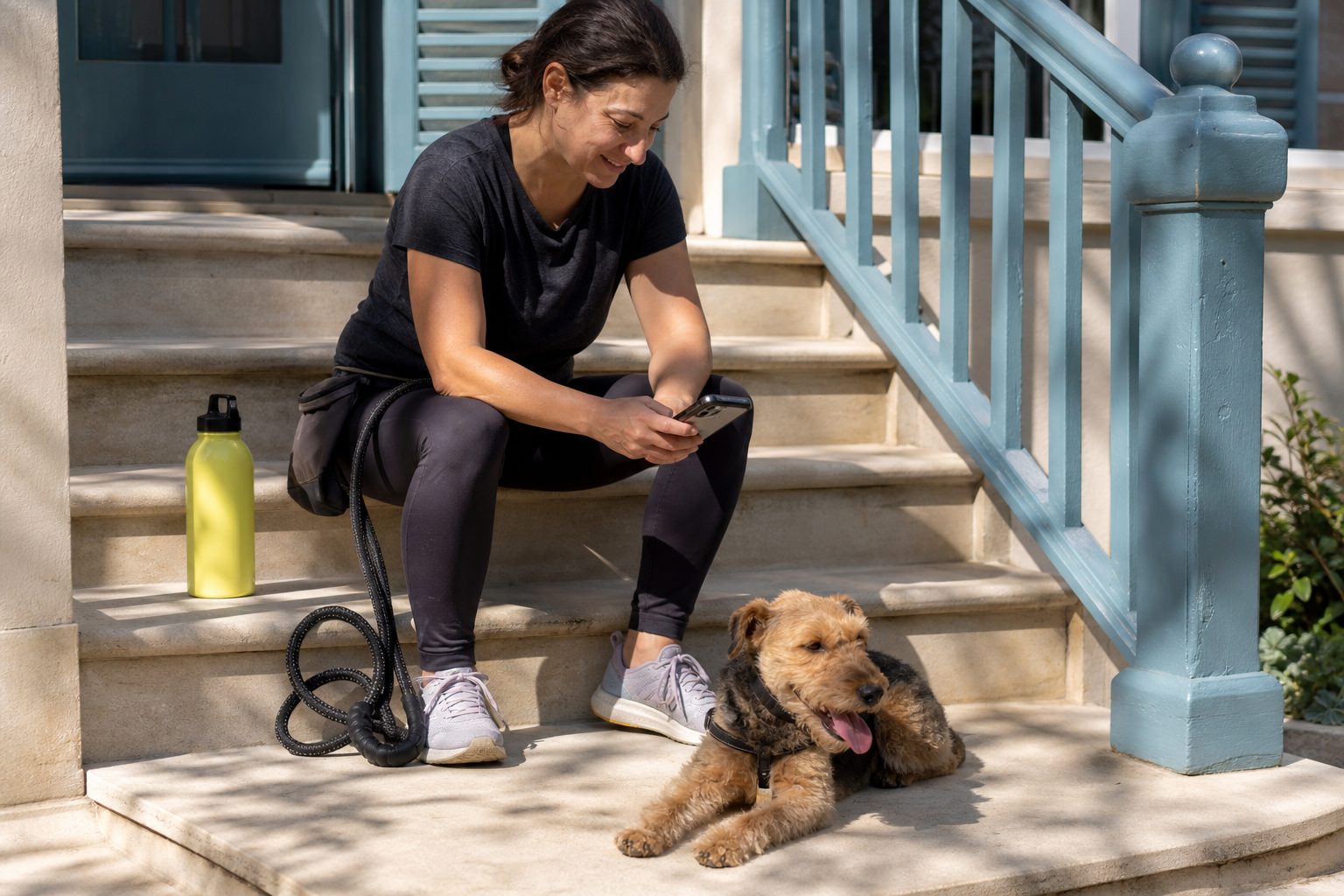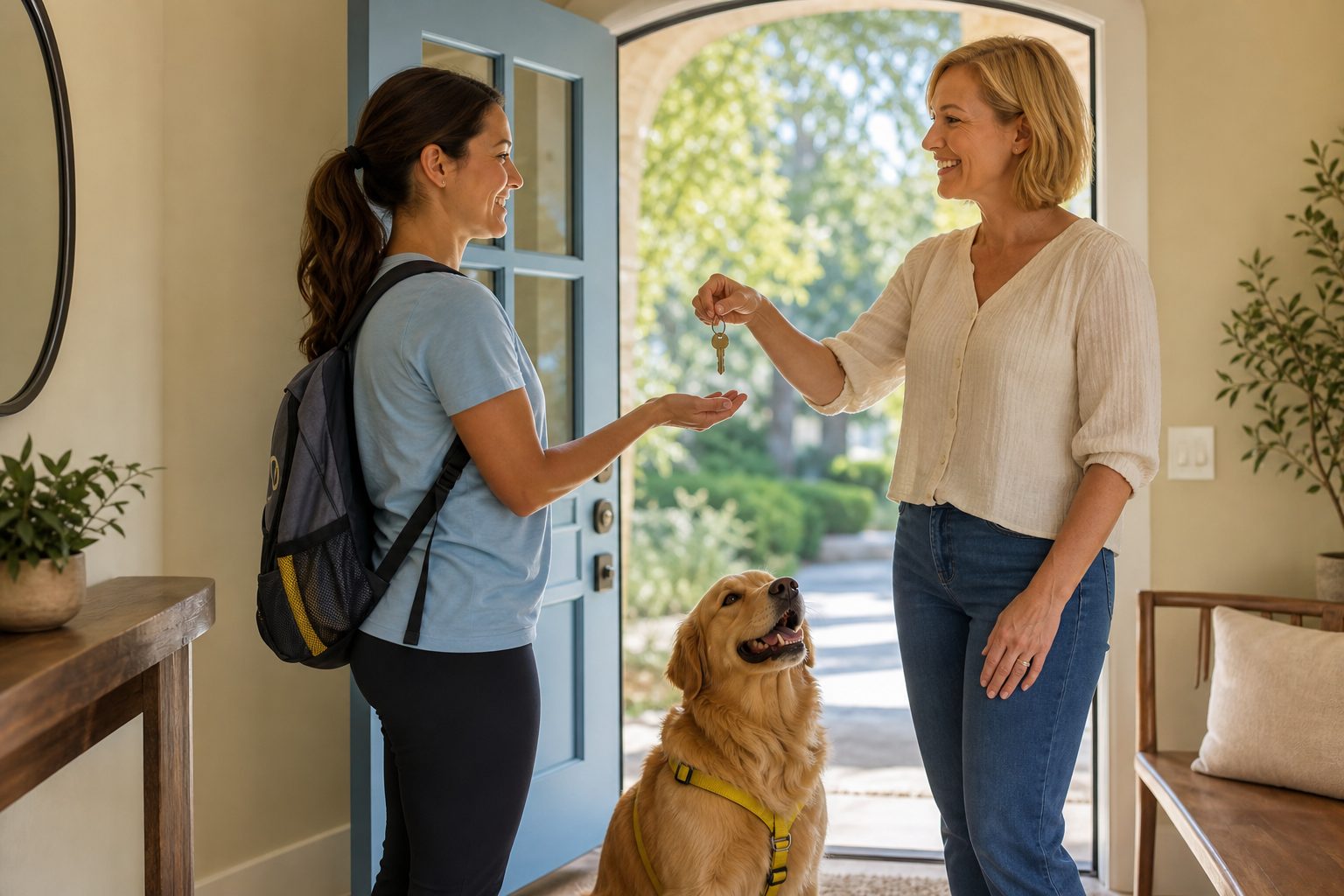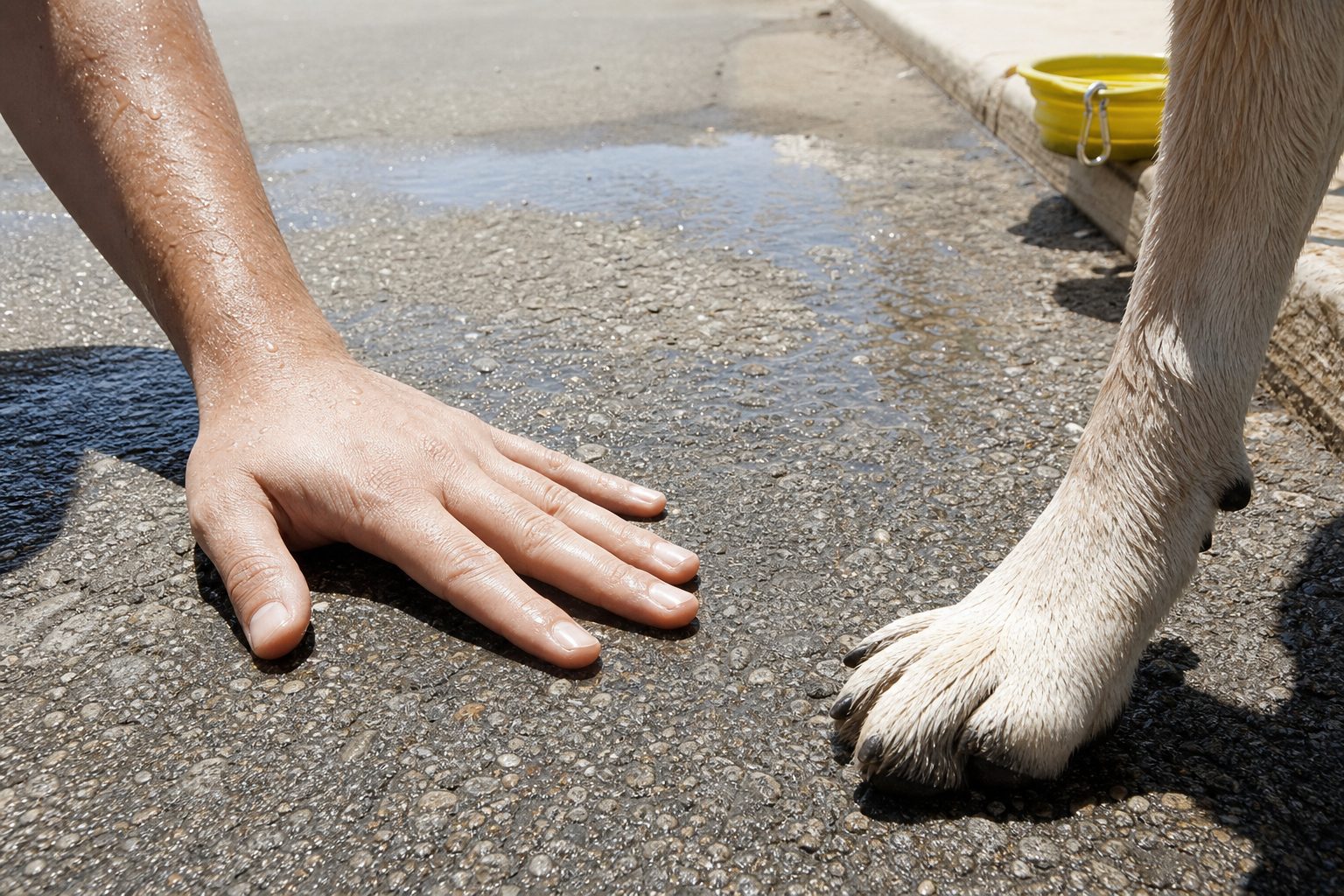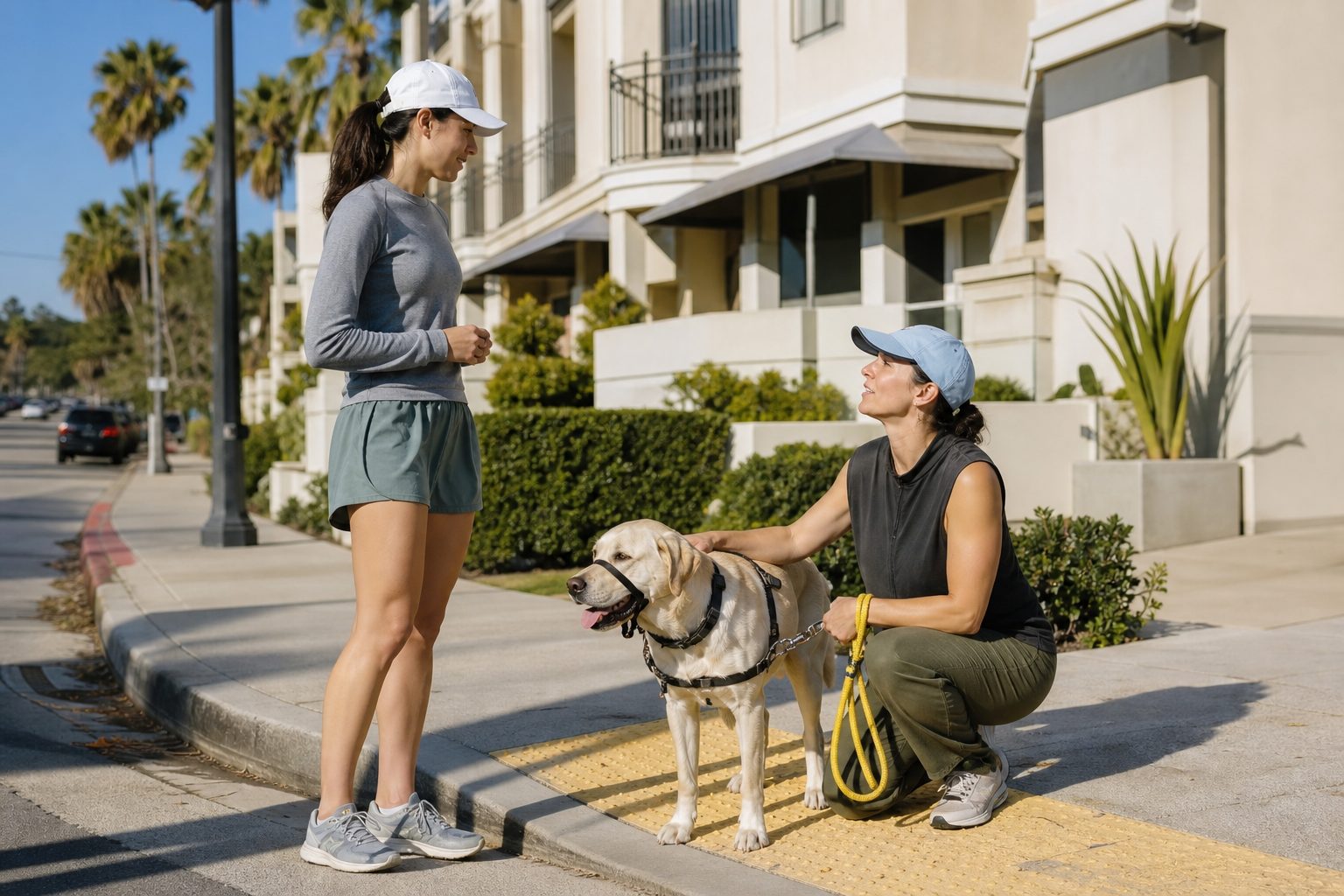
The scenario: a leashed client dog bites a runner on a narrow sidewalk
It happens fast. You are walking a client's dog on a six foot leash, keeping to the right on a crowded sidewalk. A runner approaches from behind, passes close, and the dog snaps, catching the runner's calf. There is a yelp, a startled shout, and you see blood. The leash did not break. The bite was not provoked in any obvious way, but the proximity and speed of the runner triggered the response.
Even with the most careful handling, these situations can unfold in seconds. The runner is now standing, inspecting their leg. You still have control of the dog, who is agitated but contained. Traffic and bystanders add pressure. This is a scenario that tests your training and your policies.
Keep reading: Platform Fees, Direct Booking, and Where Walk Rates Are Going
The first ten minutes: secure the dog, aid, and exchange information
Your first priority is safety. Move the dog well away from the injured person, keeping a firm grip on the leash. If a safe spot is nearby, tie off the leash or double-hold it to ensure the dog cannot lunge again. Speak calmly to the dog to settle them, as further agitation can make things worse.
Next, check the runner's injury. If there is bleeding, offer basic first aid: clean water, a clean cloth, or bandages from your kit. Do not touch the wound unless the runner asks for help. Offer to call 911 if the injury is more than a surface nip. If the bite broke skin, medical attention is advised. Document the injury with your phone if the runner allows it, as you will need this for the report.
Exchanging Information
Trade names, contact numbers, and addresses with the runner. Provide your business card and the pet owner's name, making clear you are a professional walker. Explain what happened factually with no speculation or blame. If police or emergency responders arrive, give them the same information. Note the time, location, and details for your own report as soon as possible.
Reporting to animal control and what goes into the report
In nearly every city, a dog bite that breaks skin must be reported to local animal control or the police. Do not delay. Most jurisdictions require you or the injured party to file within 24 hours. Contact the agency by phone or online, and be ready to supply your contact info, the client's details, description of the dog (breed, color, rabies tag if present), and the circumstances of the bite.
The report typically asks for the date and time, address, leash status, and what the dog did immediately before and after the bite. Some agencies will send an officer to interview you, the victim, and the pet's owner. In most cases, the owner will also need to produce rabies vaccination records quickly. Your own notes and photos are important for accuracy in this process.
Keep reading: Meet and Greet Checklist: What to Confirm Before You Take Keys
The ten day rabies observation period and where the dog spends it
After any bite where the dog's rabies vaccination is not immediately confirmed, the law in most states requires a ten day confinement for observation. This period ensures there are no signs of rabies, as infection would become apparent within this timeframe. The rules are strict: no contact with people outside the household, no walks beyond the property, and no off-leash activity.
Most often, if the dog shows no signs of illness and is current on shots, animal control allows home quarantine under owner supervision. You must confirm that the client can comply. In rare cases, especially with missing or lapsed vaccination records, the dog may be confined at an approved boarding facility or animal shelter at the owner's expense. During this period, only essential care is permitted and the dog's behavior is monitored daily.
Vaccination records, lapsed rabies shots, and how the outcome changes
If the rabies vaccine is current and documented, home observation is usually allowed and the process is less stressful for all. The owner must provide proof within a short window, often 24 to 48 hours. If the record is missing or expired even by a few days, stricter protocols apply. The quarantine may take place at a municipal shelter or veterinary facility, and the dog will not be released until cleared.
For the victim, a missing rabies vaccination record can mean more medical follow-up, including post-exposure shots and longer monitoring. For the owner, costs go up and the risk of a citation or fine increases. As a walker, your business may be flagged or investigated if you handled a dog not up to date on its shots. Always check and update your client files before accepting new dogs or when vaccinations renew.
See how LeashReport handles this for pet services
Whose policy pays: homeowner, general liability, care custody and control
The first question after the bite is who covers the damages. In most cases, the dog owner's homeowner or renter's insurance responds first. These policies often include dog bite liability, but some exclude certain breeds or have lower coverage limits. The policy will review the facts: Was the dog on leash? Did the walker follow instructions? Was the dog known to be aggressive?
If the owner's policy does not cover, your own business liability insurance may be next. Standard general liability covers bodily injury to third parties, but many policies exclude incidents involving animals handled professionally. For dog walkers, a specific care, custody, and control (CCC) endorsement is needed. This covers injury to animals in your care and, sometimes, liability for bites to people. Without CCC, you may find yourself personally exposed. It's vital to know exactly what your policy includes, and to have written contracts that spell out responsibilities.
Medical bills, lost wages, and pain and suffering claims can add up fast. If a lawsuit follows, all parties, the owner, walker, and sometimes even the property owner, may be named. Most small claims are settled outside court, but your insurance carrier will want all facts and documentation from the start.
Keeping or losing the client after the incident
Once the immediate crisis passes, you and the owner need to discuss the future. Many clients will be shaken, embarrassed, or worried about liability. Some will insist the dog was not at fault and want to resume walks quickly; others may pause service while the matter is resolved. Your own comfort level matters too, especially if you feel the dog's behavior was unpredictable or unsafe.
In practice, relationships often depend on communication and transparency. If you reported the incident fully, cooperated with authorities, and shared updates with the owner, trust is easier to maintain. If you had flagged the dog for reactivity or had prior concerns, document these in your files and address them in your conversation. Some clients will move to another walker or stop professional walks altogether. Others will return, but may expect changes in handling or route.
The route and handling changes that came out of it
After a bite incident, review your protocol. The route where the bite happened may need to change. Narrow sidewalks, busy intersections, or areas with frequent joggers increase risks. Switching to quieter side streets or parks with wide paths can help. Some walkers adopt a rule of stepping off the sidewalk when others approach, even if it means pausing the walk briefly.
For the dog involved, extra precautions may be needed. A basket muzzle can prevent future bites, especially if the dog is returning to service. Tighter leash management and frequent checks for approaching people or animals reduce surprises. If the dog has a history of snapping, you might require the owner to invest in training or behavioral assessment before resuming walks. For some walkers, a single bite is a red line and the client relationship ends.
Written incident reports and walk logs are now a must. Recording exactly what happened, where, and what you did provides protection if questions come up later. Tools that document walks with GPS maps, time stamps, and photo updates help track changes and communicate clearly with owners and insurers.
Incidents like these are reminders that documentation is as important as handling skill. Systems that offer GPS tracked walk reports, photo cards, and automatic owner delivery can keep everyone informed and provide a clear record if the unexpected happens.