How marketplace commissions and client service fees are structured
Dog walking marketplaces built their businesses by connecting walkers and pet owners, handling payment, and offering some level of customer support. In return, they charge platform fees. These are usually split between service providers and clients. Walkers see a commission taken from each booking, while pet owners often pay a separate service fee added at checkout.
For most major platforms, walker commissions have trended from a flat dollar amount per job to a percentage of each booking. Some charge up to a fifth of the walk price. Pet owners may pay a service fee on top, which can be a few dollars or a percentage of the transaction. These fees often rise when the platform adds insurance or expands customer support, but the walker still covers the largest share.
Some platforms have experimented with subscription models for walkers, where a monthly fee replaces or reduces per-booking commissions. However, uptake is mixed. Most walkers still pay a percentage fee on every job, which cuts into their hourly and route earnings. The client's service fee is much harder to avoid, and it can surprise new customers at checkout.
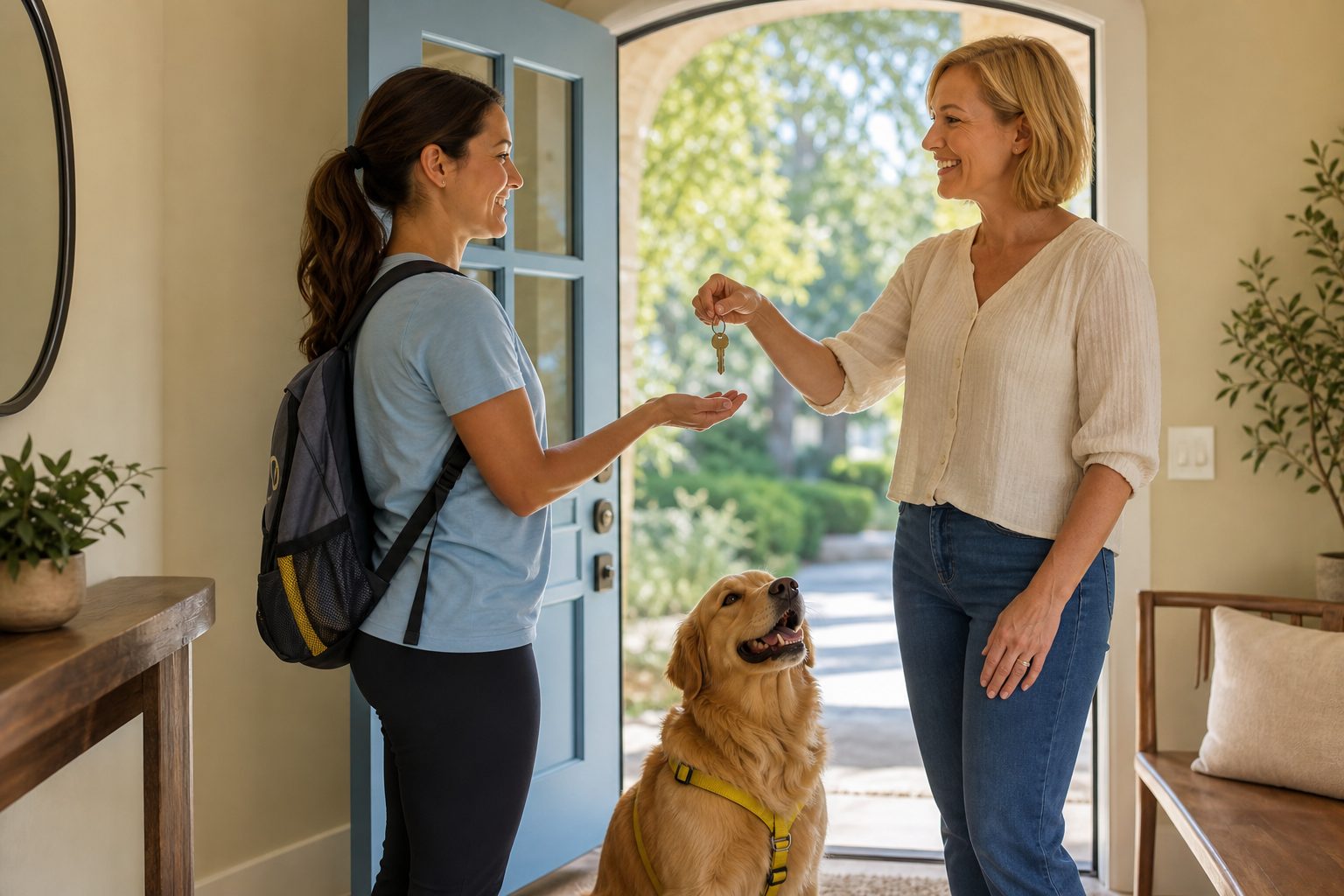
Keep reading: Meet and Greet Checklist: What to Confirm Before You Take Keys
Non solicitation clauses and who actually owns the client relationship
Walkers who use large marketplaces agree to strict terms, including non solicitation clauses. These rules prevent walkers from encouraging or accepting direct bookings from clients they met through the platform, sometimes even after they leave the service. Violation usually means removal from the app and possible financial penalties.
In practice, this means the platform claims ownership of the client relationship. Even if the walker builds trust with a client, the platform's terms and tracking make it risky to take business off-app. Some walkers push the boundaries by handing out business cards or suggesting off-platform contact, but enforcement is rising. Platforms use algorithms and chat monitoring to flag possible violations.
This creates tension for walkers who want to build a long-term client base. The platform's policies are designed to keep high-value clients on their system, but they also limit walker independence and the ability to grow a private business.
What a walker gives up and gains by leaving a platform
Leaving a major marketplace frees the walker from commissions and non solicitation rules. This opens the door to setting their own prices, negotiating directly, and keeping the full value of their work. Walkers can also craft a brand and reputation that moves with them, not tied to a platform's review system.
However, leaving means losing the steady stream of new clients. Platforms spend heavily on marketing and have strong placement in search results. Walkers may also lose access to bundled insurance coverage and payment processing. The risk of slow or missed payments rises, especially for those without a formal contract process.
Another loss is the platform's dispute handling and customer service. When something goes wrong, the walker is on their own to resolve issues. Some find the tradeoff worth it for higher margins and control. Others miss the stability of platform work, especially when building a book of business from scratch.
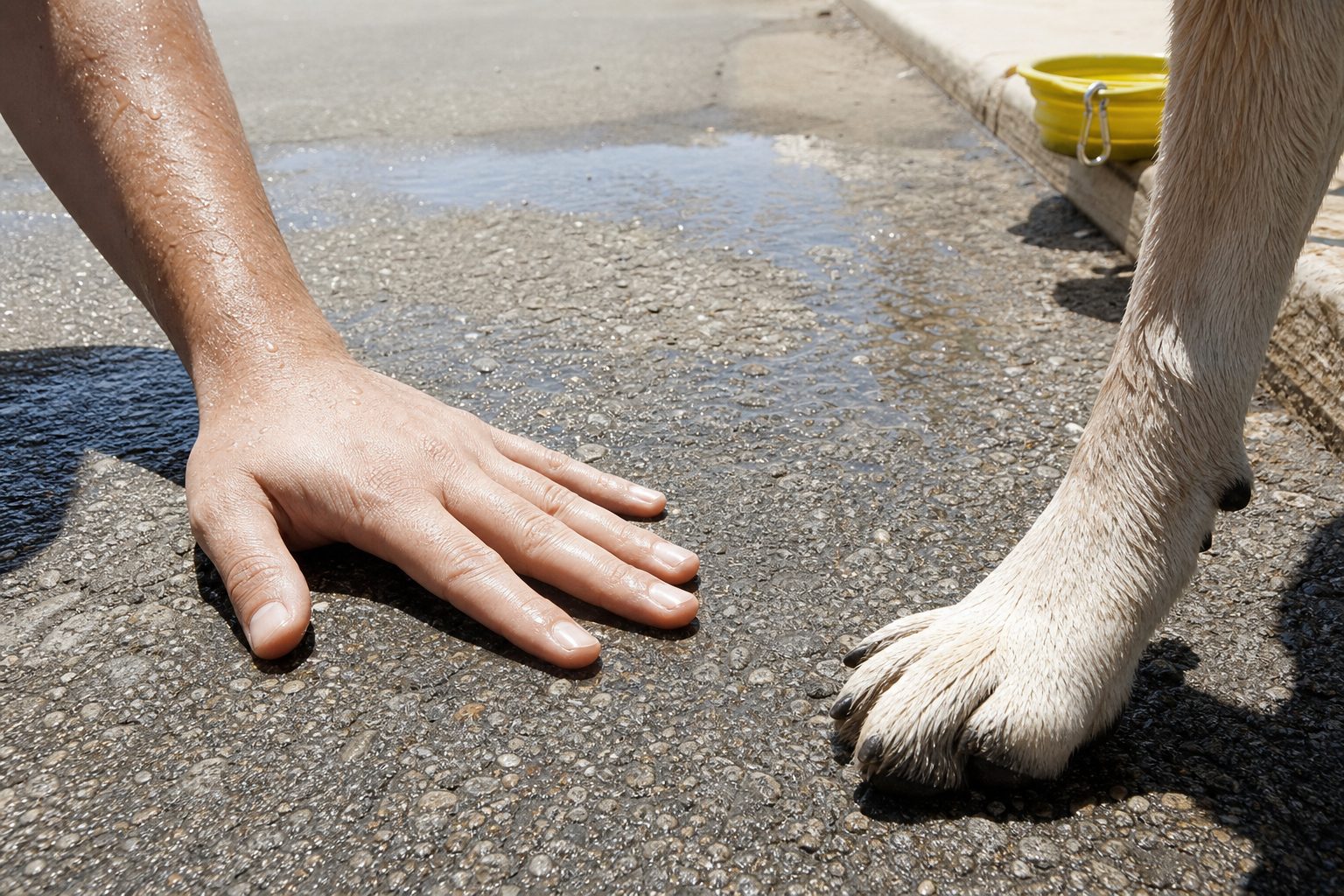
Keep reading: Pavement Temperature and the Safe Window for a Midday Walk
Booking direct: insurance, service agreements, payments, and scheduling
Insurance and liability
Most platforms include liability coverage and limited vet care for accidents during a walk. Going independent requires walkers to buy their own insurance. There are policies tailored for pet care pros, but coverage levels vary. Some require annual payment, while others offer monthly options. Proof of insurance is becoming a must-have to reassure clients and protect against claims.
Service agreements and policies
Without a platform, the walker needs clear service agreements. These cover cancellations, late fees, emergency plans, and client expectations. Many use templated contracts, with some tailoring to their local laws or specialty services. Written agreements avoid disputes and give both parties confidence.
Payments and scheduling
Direct booking means handling payments personally. Some walkers use invoicing apps, while others take cash, checks, or digital wallets. Fast, reliable payment matters, especially for regular routes. Scheduling also becomes more complex without a platform calendar. Walkers may track their own appointments, or use a lightweight tool to avoid double bookings and missed slots. Automation helps keep admin time down.
Setting your own rate when no platform is setting the floor
Knowing your costs
Platforms set a minimum rate for walks, often based on market research or regional averages. Going solo, the walker must know their personal break-even point. This includes insurance, travel, taxes, and time for admin. Some walkers underestimate the true hourly cost when leaving a platform. A detailed cost sheet helps prevent underpricing.
Looking at the market, not just other walkers
Independent walkers need to research local rates. Some ask clients what they previously paid, while others secret-shop competitors. Rates can vary block by block, especially in dense cities. Walkers in suburban or rural areas may charge for travel or offer package deals for multiple pets. Transparency on pricing helps avoid surprises and builds trust.
Discounts and add-ons
Platforms rarely let walkers customize pricing for regular clients or add unique services. Direct booking opens the door to discounts for weekly bookings, extra fees for weekends, or bundled services like medication or puppy care. Walkers can also add a premium for last-minute requests or after-hours walks. The key is consistency and clear communication.
See how LeashReport handles this for pet services
Route density, not headcount, as the driver of hourly earnings
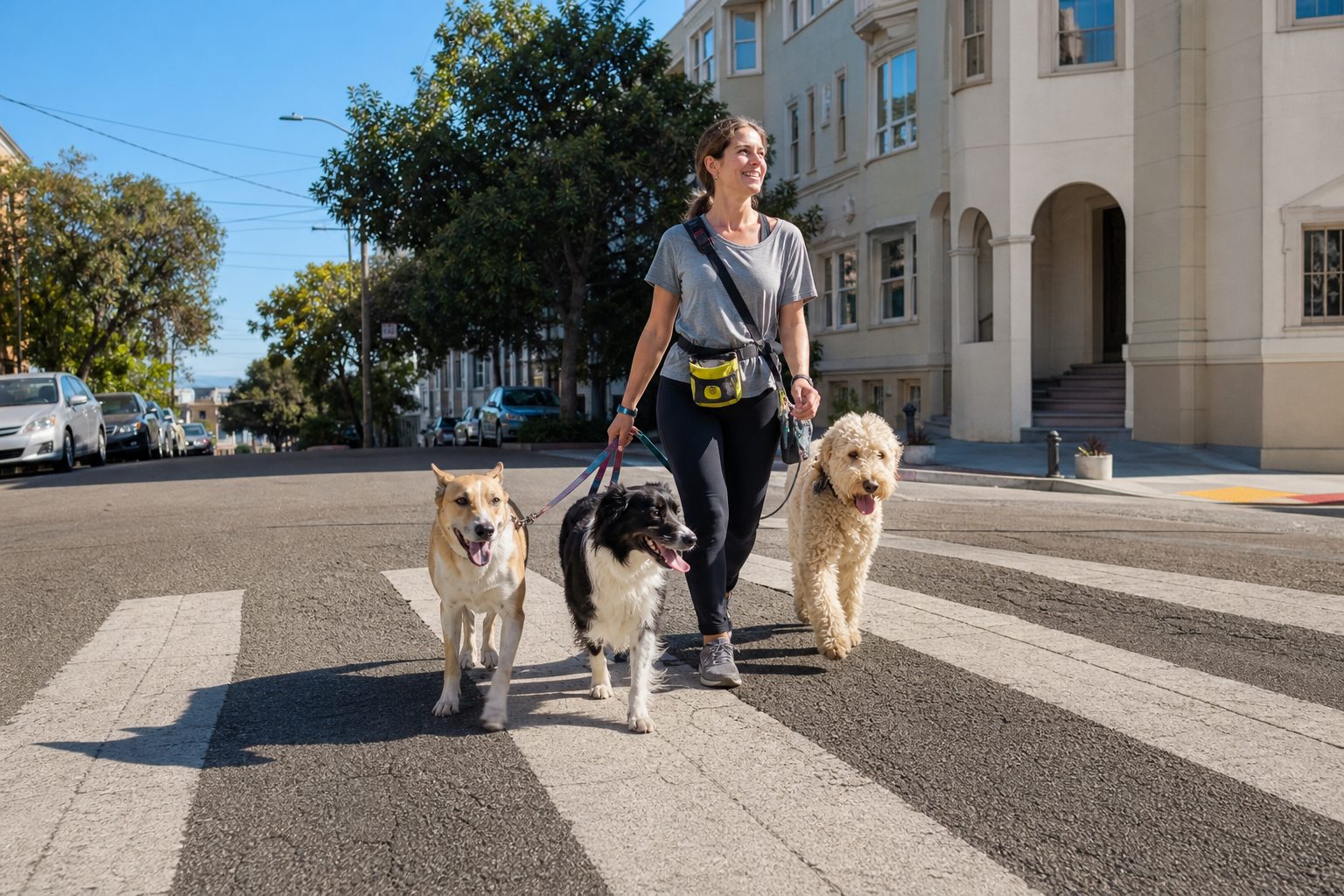
Many new walkers focus on landing more clients, but seasoned pros know route density is what drives income. The more walks that fall within a compact area, the less unpaid travel a walker faces. Platforms sometimes scatter bookings all over a city, leading to big gaps and wasted time. Independent walkers can curate routes for efficiency.
Some walkers set boundaries for service zones, only accepting clients within a certain radius or neighborhood. Others group appointments by timing and location, offering discounts for adjacent slots. This approach turns thirty-minute walks into a true hour of paid work, instead of an hour with unpaid travel.
Tools that map client addresses or optimize daily routes help maximize density. Walkers who focus on clusters often find they work fewer hours for the same or better pay, with less fatigue and lower transportation costs.
Why proof of service became a client expectation instead of a perk
Ten years ago, sending a photo or walk summary was a differentiator. Now, most dog owners expect proof of service as standard. Marketplaces made this mainstream with automatic check-ins, GPS tracking, and post-walk photo cards. These features reassure clients that a walk happened as promised, and that pets are safe and happy.
Independent walkers now face the same expectation. Some send manual text updates, but this can be time-consuming at scale. Others use dedicated apps to generate walk reports. Clients may ask for real-time notifications, time stamps, and even potty logs. The standard has moved: what was once a nice extra is now part of the basic service package for working pet parents.
Proof of service also protects the walker. Documented walk logs and photos settle disputes quickly, backing up the walker's timeline and quality of care. As client expectations rise, so does the need for efficient, reliable reporting tools.
What to watch over the next few years in US pet care
The shift away from large pet care platforms is likely to continue, as more walkers seek independence and higher margins. At the same time, platforms will keep tightening rules and commissions to protect their business model. Walkers who want to go direct must invest in business tools, from insurance to reporting, to meet rising client standards.
Route optimization and efficient scheduling will become even more important as urban congestion grows. Walkers who build dense, repeatable routes will earn more per hour and face less burnout. Technology will play a bigger role in automating admin tasks, freeing up time for actual pet care.
Clients will continue to expect real-time, transparent proof of service. Features like GPS-tracked walk reports, photo cards, potty logging, and automatic owner delivery are becoming standard. Walkers who adopt these tools position themselves for long-term success in a crowded market, meeting both pet owner demands and professional standards.