Before the visit: what to send the owner and what to ask up front
Before you set foot on a client's property, lay the groundwork for a productive meeting. Send an introduction email or message that outlines your services, insurance, bonding, and a rough schedule for the meet and greet. Attach or link to a client intake form. Ask the owner to fill this out in advance, or have it ready to go on a tablet or clipboard when you arrive.
Request basic information: pet names, ages, breeds, feeding routines, medications, emergency contacts, regular vet, and any allergies. Confirm how the owner prefers to communicate: text, app, email, or calls. Ask if anyone else will be home during your visit and if there are areas of the home you should avoid.
Let the client know what you will need to see or test during the meet and greet. Explain that you will want to walk through the home, check gear, and take the pet on a short walk. This sets expectations and avoids surprises.
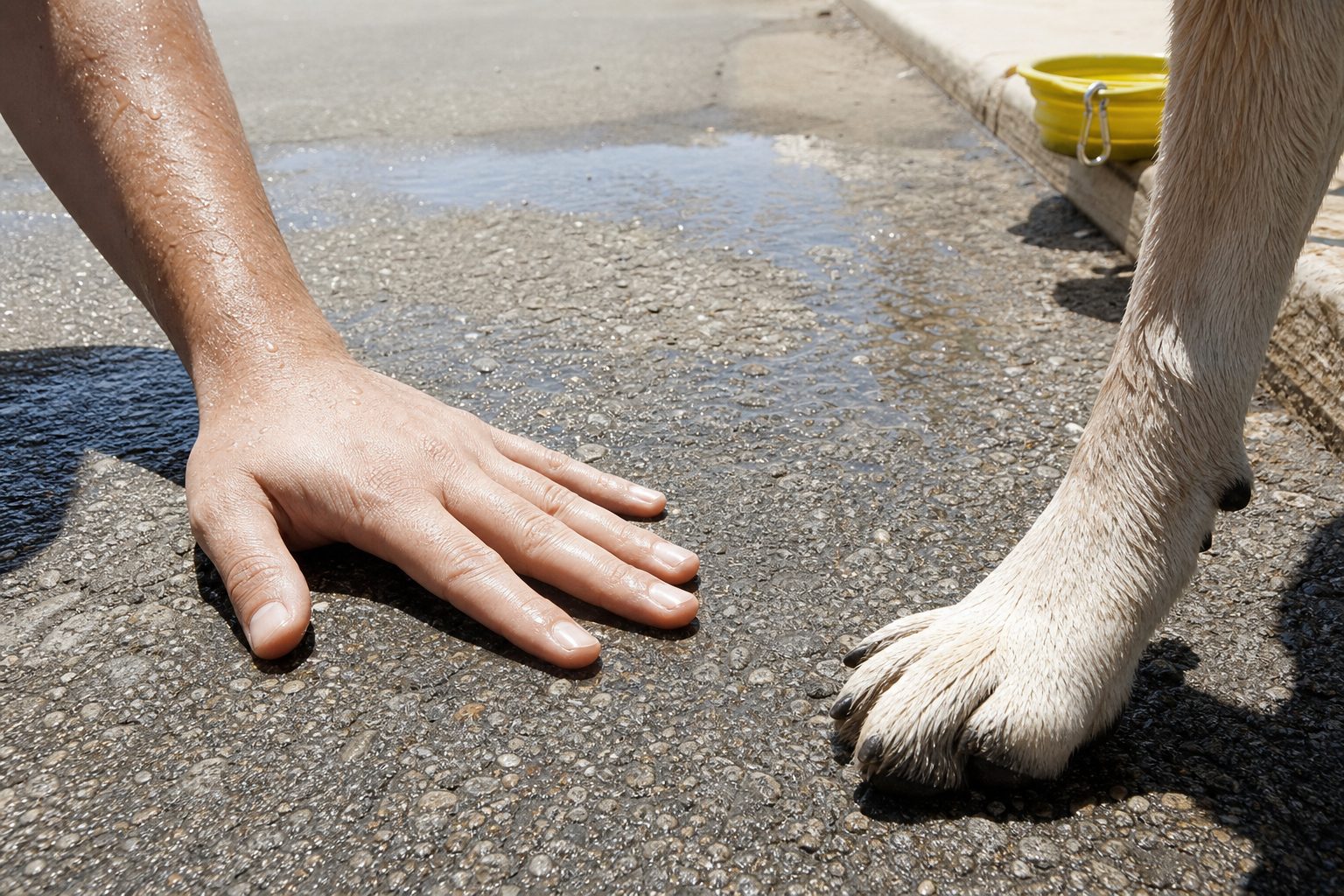
Keep reading: Pavement Temperature and the Safe Window for a Midday Walk
Walking the home: doors, alarms, gates, crates, and the leash drawer
The home walk-through is where you learn how your daily visits will actually work. Start at the main entry point for walkers. Have the owner demonstrate locking, unlocking, and any alarm codes. Ask about backup doors and which to use in an emergency. Test the door together to see if it sticks, drags, or needs a firm push to latch.
Move through the house step by step. Identify where leashes, harnesses, and poop bags are stored. Open closets and drawers yourself; do not rely on the owner's memory. Ask if there are baby gates or dog gates you need to move, and if there are any rooms off-limits to the pet. Note which crate or bed the dog uses and where to find treats or towels.
If there is a backyard, check all gates and fences. Walk the perimeter looking for loose boards or gaps. Ask the owner to show you the latch mechanism and test it yourself. If there is a pool, make sure it is fenced or secured. Look for outdoor hazards such as tools, garden chemicals, or unsecured trash bins.
Keys, lockboxes, smart locks, and the backup access plan
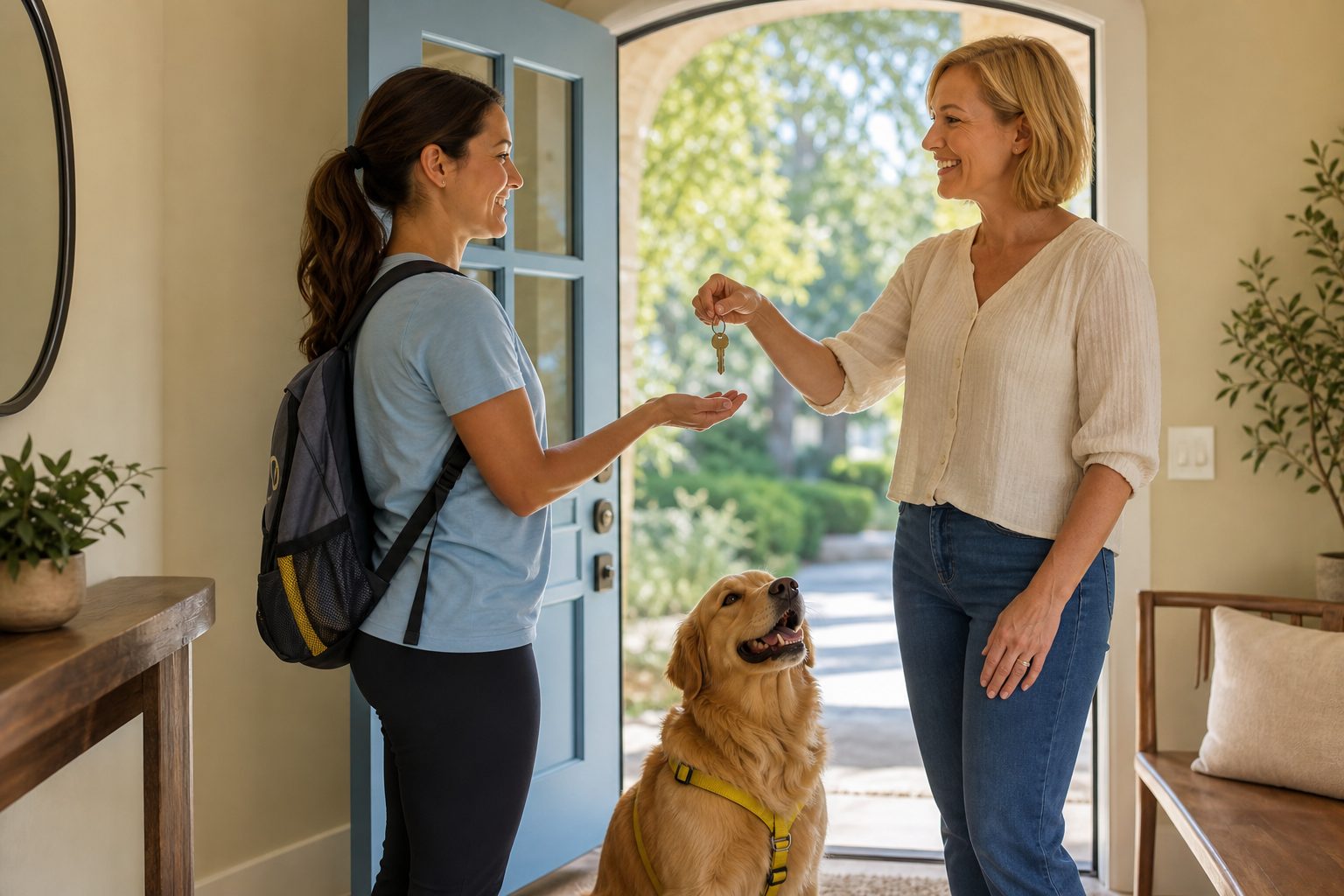
Clarify exactly how you will enter the home for every visit. If the client offers a physical key, try it yourself on every relevant door. Check for sticky locks or keys that require a trick to turn. If a lockbox is used, practice opening and closing it and ask for the code in writing.
For homes with smart locks, walk through the app or keypad process. Ensure you can operate the lock with your device and that you have a backup plan if the battery dies or the app glitches. If a garage code is used, test it and ask about power outages or manual release mechanisms.
Always ask what happens if you cannot gain entry: is there a neighbor, family member, or office that holds a backup key? Make sure you have clear instructions and contact numbers for any backup access. Confirm that the owner keeps all access methods updated.
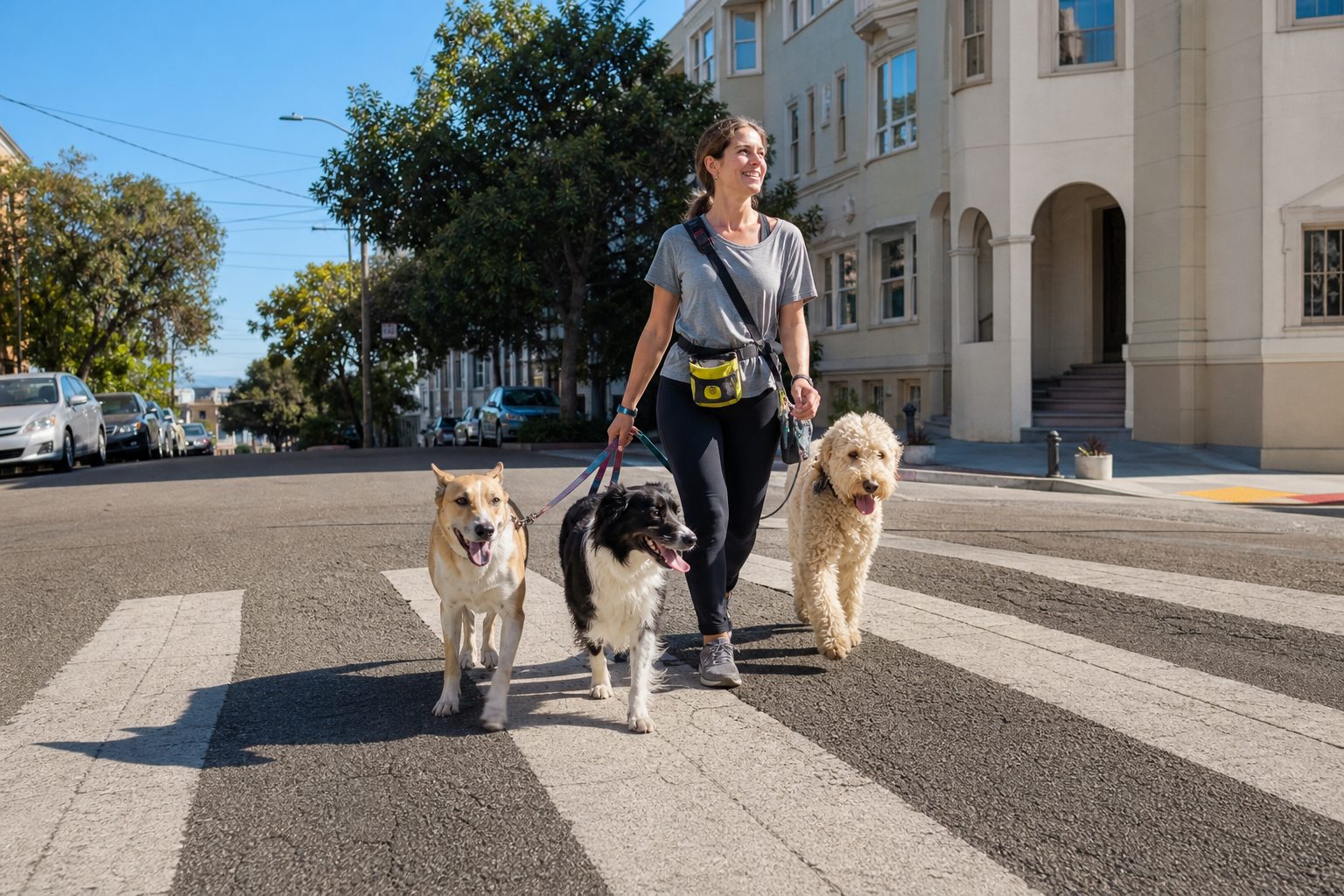
Keep reading: A Midday Route in a Walk Up Neighborhood: Six Dogs, Three Hours
Vaccination records, veterinary release, and the emergency contacts
Ask for up-to-date vaccination records for every dog you will walk. Many local ordinances and apartment complexes require proof of rabies and distemper shots. If the owner cannot provide these now, set a deadline before the first walk.
Request a signed veterinary release or emergency care authorization. This allows you to approve treatment if the owner is unreachable. Ask for the name, address, and phone number of the primary vet and a preferred emergency clinic. Clarify if there are any restrictions on treatment or spending limits in an emergency.
Gather at least two emergency contacts besides the primary owner. Confirm who should be called if you cannot reach the owner during a walk or have a problem at the home. Ask for cell numbers and clarify each person's relationship to the pet.
Behavior questions owners almost never volunteer on their own
Owners often forget or gloss over important details about their dog's quirks. Probe gently but thoroughly. Ask if the dog has a history of escaping, resource guarding, or leash reactivity. Inquire about any triggers: bicycles, skateboards, children, or other dogs.
Ask about mouthiness or nipping, especially if you will be wiping paws or handling gear. Find out if the dog is anxious during storms or fireworks, and how they react to strangers entering the home. Ask if the dog has ever bitten or snapped at a person, even in play.
Clarify how the dog handles car rides, vet visits, and grooming. Ask about favorite treats, training cues, and words the dog knows well. This helps you avoid misunderstandings and keeps the dog comfortable in your care.
See how LeashReport handles this for pet services
Checking collar, harness, and leash fit in front of the owner
Do not assume the gear you see on the wall fits or is safe. With the owner present, check the collar and harness for fit and wear. Two fingers should fit snugly under the collar, and the harness should not rub or pinch. Check all buckles, clips, and D-rings for signs of wear or breakage.
Test the leash with the collar and harness. Make sure the attachments are secure and can withstand a hard pull. If the gear looks frayed or unreliable, point it out and recommend replacements before your first walk. If the dog uses a head halter or gentle leader, ask the owner to fit it and walk the dog in front of you.
Confirm that ID tags are up to date and include a phone number. Take photos of the dog wearing their usual gear, with the owner's permission. This helps if anything goes missing or needs to be replaced.
The service agreement, cancellation terms, and payment setup
Bring a copy of your service agreement to the meet and greet. Go over each section in person: services offered, scheduling, rates, cancellation policy, late payment fees, inclement weather plans, and holidays. Answer questions and clarify every policy, especially around last-minute changes and refunds.
Set up payment arrangements before the first booking. Many walkers now use apps for invoicing and payment, but some clients prefer checks or cash. Establish the payment schedule: per walk, weekly, or monthly. Make sure the owner knows how to access receipts for their records.
Review expectations for communication. Explain how you will send updates, photos, and walk reports. If your business uses a portal or an app, walk the client through account setup during the meeting. Confirm what information they want included in each update, such as arrival times or potty details.
A short test walk around the block before you say yes
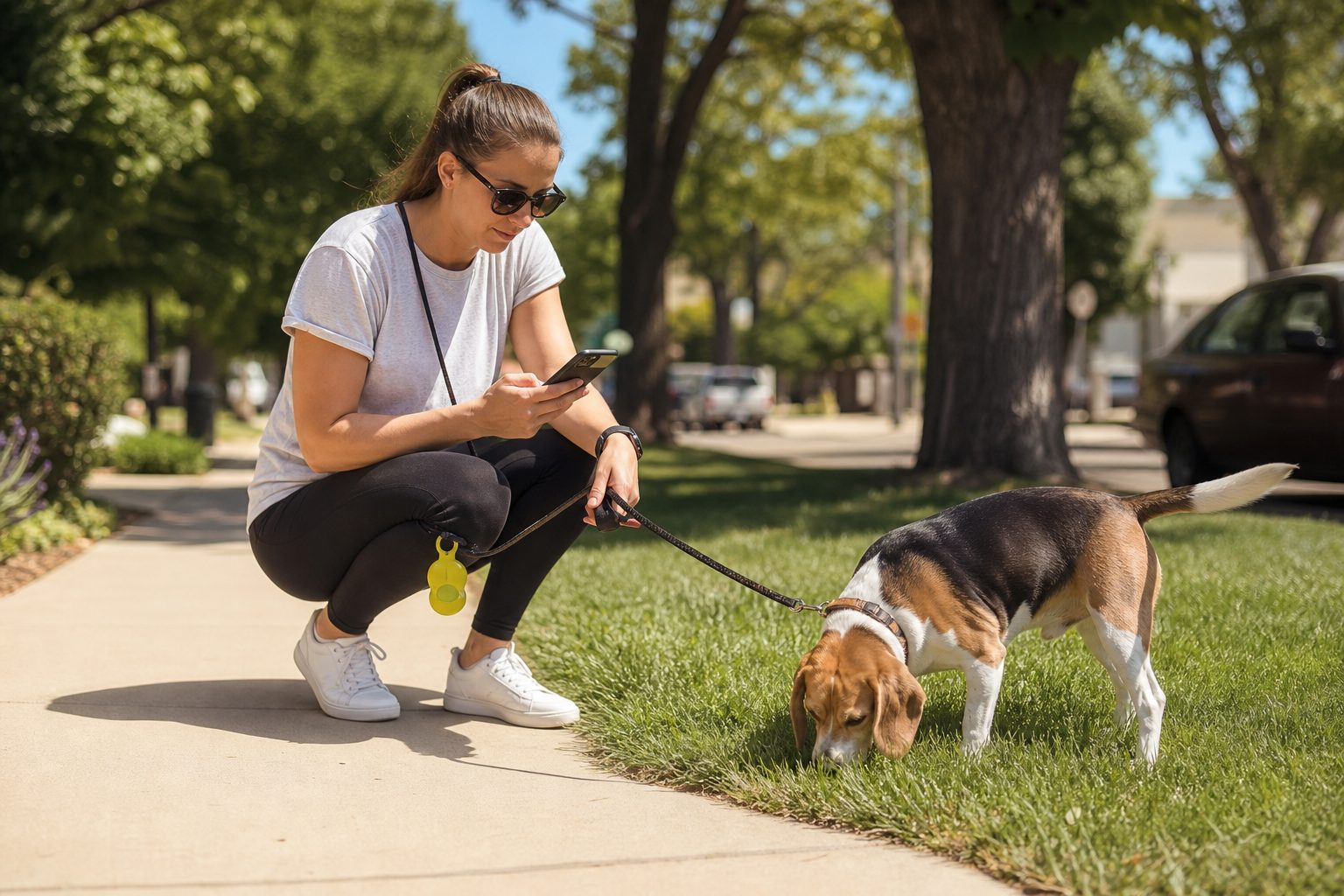
Before you take keys or confirm the first booking, insist on a short test walk with the dog and owner. This is your best chance to watch how the dog behaves on the leash, responds to cues, and copes with distractions. Choose a route similar to your regular walks: sidewalks, parks, or quiet streets.
Note if the dog pulls, zigzags, freezes, or lunges at distractions. Watch for signs of fear or anxiety. Ask the owner to demonstrate any special handling techniques, like crossing streets, waiting at curbs, or avoiding certain spots. If the dog is too strong or reactive for you to control, discuss alternatives or decline the job.
After the walk, review your observations with the owner. Share any concerns about safety, behavior, or equipment. If all goes well, confirm the next steps for scheduling and access. If there are unresolved issues, do not accept keys or commit to service until they are addressed.
Every meet and greet is a chance to spot problems before they turn into emergencies. A thorough checklist protects your business, your clients, and their pets. For walkers and pet care teams, digital tools that log potty breaks, track GPS routes, and send photo cards can help keep every walk transparent and organized from day one.