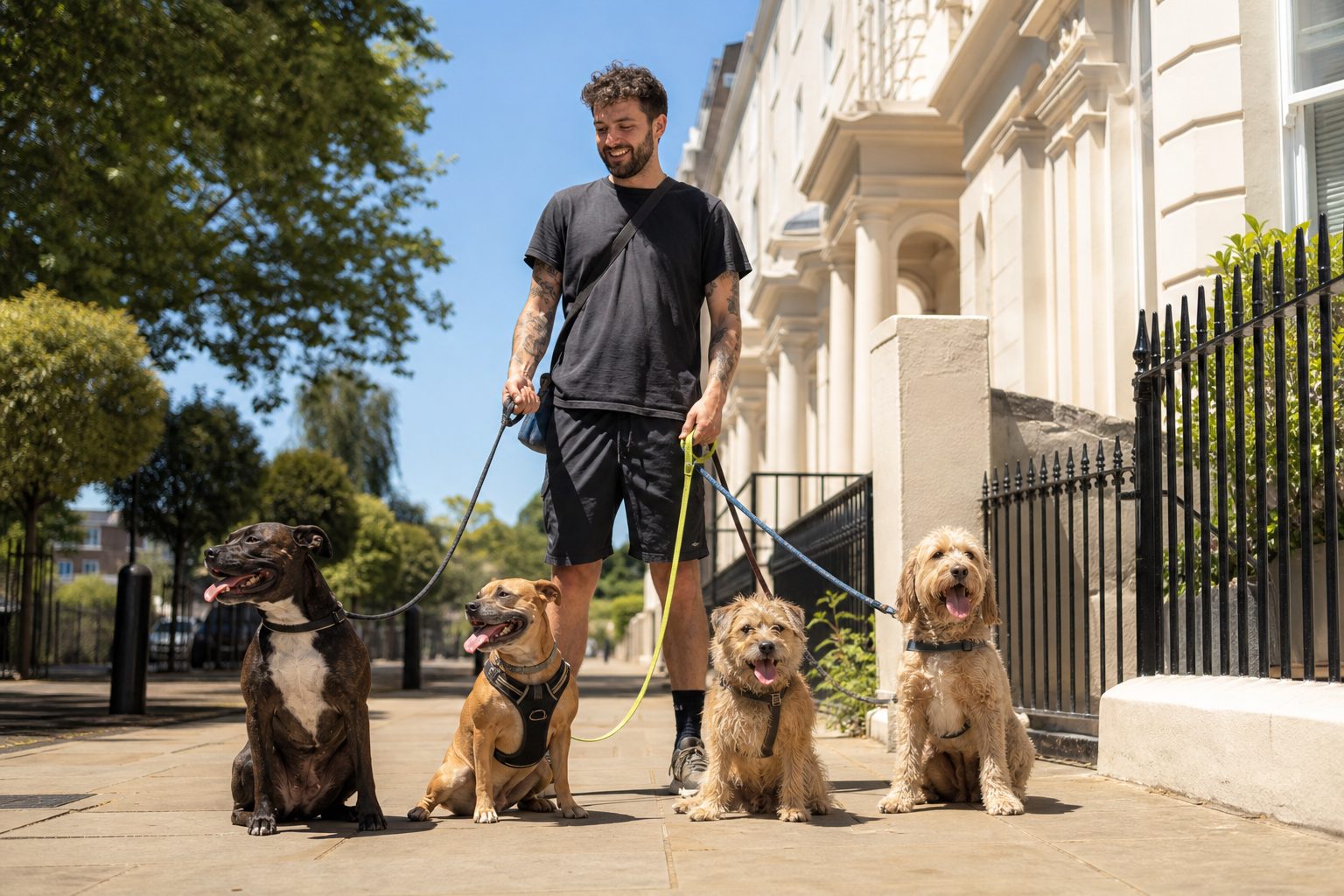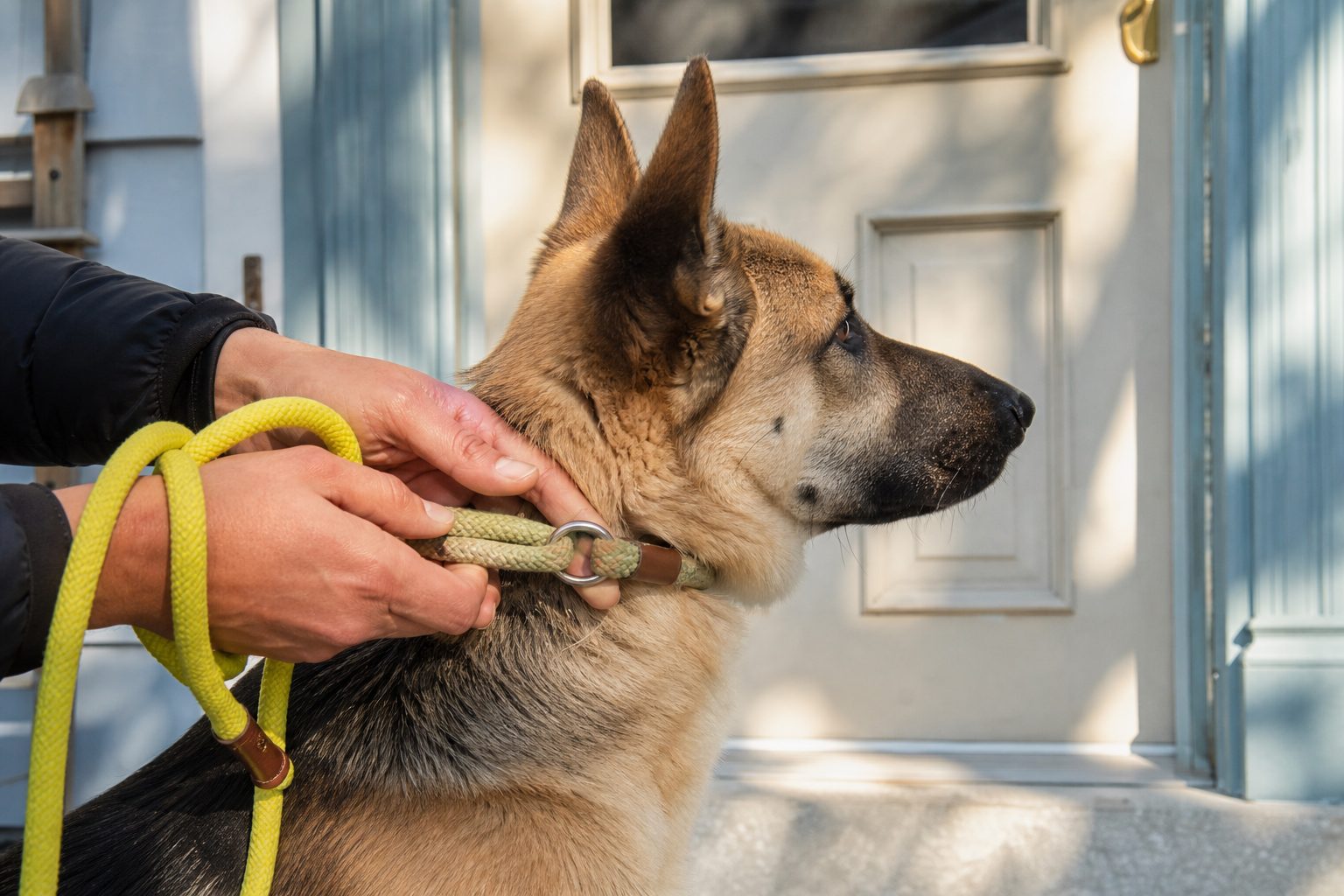
Why owners and veterinarians care what happened on the walk
Every dog walker knows that a bathroom break is never just a pit stop. For owners, stool and urine reports are some of the only real-time clues to a pet's health. Many conditions, from allergies to infections, first show up as changes in bathroom habits. Vets often ask about stool appearance, frequency, and accidents before anything else.
Most owners cannot be present for every walk, and many rely on you to alert them to problems early. Details you log can save a client costly vet bills, or even a dog's life, by catching issues before they get worse. Consistent tracking over multiple walks can reveal patterns that a single visit never would.
Keep reading: Group Walks or Solo Walks: Rates, Liability, and City Rules
The seven point fecal scoring chart in plain language
Most veterinarians use a seven-point scale to classify stool consistency. This helps them track changes over time and compare notes with other professionals. Learning this scale makes your notes more useful to both owners and vets.
Scores 1 to 2: Hard or dry
Score 1 stools are very hard and dry, sometimes in small, hard balls that roll away. This can mean dehydration or a lack of fiber. Score 2 is still firm and hard, but may be in larger pieces. These types are difficult for a dog to pass and often require straining.
Score 3: Firm and well-formed
This is the ideal: log-shaped, easy to pick up, holds its shape but not rock-hard. Moist, but not sticky or messy. Most owners and vets want to see this score most of the time.
Score 4: Soft, but formed
A soft log or pile that still holds together, but loses shape if handled. Often seen with minor diet changes or stress. This is usually not an emergency if it only happens once.
Score 5: Very soft, no shape
Piles that look like thick oatmeal or mashed potatoes. No defined shape, but not watery. This may point to digestive upset, new food, or mild illness.
Score 6: Runny, puddles
Very loose, mostly liquid, leaves residue when picked up. This is a clear sign something is wrong: stress, infection, or something eaten off the ground are common causes.
Score 7: Watery, no solid pieces
Full-blown diarrhea, often with urgency and accidents. This demands the owner's attention, especially if it continues or is paired with vomiting, lethargy, or blood.
Normal frequency, volume, and timing on a midday walk
Most healthy adult dogs will defecate one to two times a day, often during the morning or evening walks. It is not unusual for a dog to skip a midday bowel movement if they went earlier, especially if the walk is short or their routine has not changed.
Puppies, seniors, or dogs with certain diets may go more often. Soft or large stools can sometimes mean a dog is not absorbing nutrients fully, while small, hard stools may mean dehydration or low fiber. Consistent changes in timing or volume are worth noting, especially if paired with changes in behavior.
On a typical midday walk, a healthy dog might urinate once or twice and may or may not defecate. If a dog who always goes suddenly refuses, or tries to go but cannot, this should be included in your report.
Keep reading: Door, Leash, and Gear Mistakes That Let a Client's Dog Loose
Urine color, volume, and the straining that signals an emergency
Normal canine urine is light yellow to amber, with enough volume to mark turf but not flood the sidewalk. Urine that is dark, cloudy, red-tinted, or unusually strong-smelling may signal dehydration, infection, or metabolic problems. If the dog's urine is clear and nearly colorless every time, it may be drinking too much, which can also signal health issues.
Frequent, small volume urination can point to a urinary tract infection or bladder irritation. Conversely, a dog that only dribbles or cannot pass urine at all may have a blockage. Straining without producing urine, whining while trying, or repeated squatting without success is a medical emergency. Document what you see and contact the owner immediately.
Blood, mucus, worms, and foreign material: what to photograph
Some findings demand a photo for the owner or vet. Fresh blood in stool appears as bright red streaks or spots. Old blood can look dark and tarry. Mucus looks like clear or white jelly coating part of the stool. These findings can signal anything from stress colitis to more serious illness.
Worms may appear as small, white, noodle-like strands or rice-shaped segments. These are often moving and are unmistakable. Foreign material, such as grass, plastic, or fabric, may pass through if the dog is a scavenger. Photograph anything unusual, making sure the image is in focus and the object is visible. Clean up after, but send the photo along with your note.
If the stool contains large amounts of undigested material, or anything toxic-looking, document it. Owners and vets can use these images to decide if a sample should be brought in, or if the dog needs to be seen immediately.
See how LeashReport handles this for pet services
Vomiting, grass eating, and scavenging off the sidewalk
Vomiting on the walk
Dogs may vomit for many reasons, from excitement to illness. Note the color, volume, and any material in the vomit. Yellow foam usually means bile and an empty stomach. Food, grass, or foreign material should be described for the owner. One episode of vomiting is usually not an emergency, but repeated vomiting, or vomiting paired with lethargy or diarrhea, should be flagged.
Grass eating
Many dogs nibble grass, and for most this is normal. Some dogs eat grass because of mild stomach upset. If grass eating is new for a particular dog, or if it leads to vomiting, make a note. If the dog is eating grass frantically or cannot stop, this could signal distress or a more serious problem.
Scavenging and what to watch for
Dogs are notorious scavengers. If you see a dog eat something off the ground, try to identify what it was. Note if it was food, trash, or something unknown. If you think the item could be toxic, such as gum, chocolate, or medication, contact the owner right away. If the item is harmless but unusual, document it for the record.
Writing the note so the owner can hand it straight to the vet
Every bathroom break report should be clear, concise, and specific. Avoid vague terms like "normal" or "fine." Instead, use the fecal score, describe the color, shape, and anything unusual. For example: "Stool score 4, soft log, light brown, small amount of mucus on one end." If urine was unusual, describe the color and volume: "Urine dark yellow, moderate amount, no straining."
Include timing and behavior: "Dog tried to poop twice, strained, only passed a small, hard piece." If you have a photo, mention that it is attached. If vomiting, describe when it happened, what came up, and if the dog resumed normal activity. This kind of note allows owners to forward the information directly to their vet with minimal editing or guesswork.
If you notice a pattern, such as soft stool on every walk for three days, state it. This helps the vet see trends and decide on next steps. For single incidents, clarity and detail matter most.
When to end the walk early and call the owner
Most non-urgent findings can be logged for later review, but some situations require immediate action. End the walk and contact the owner if you observe any of the following:
- Repeated vomiting or bloody diarrhea
- Dog straining to urinate with little or no output
- Collapse, weakness, or disorientation
- Large amounts of blood in stool or urine
- Possible ingestion of a toxic substance (chocolate, medication, antifreeze, etc.)
- Signs of severe pain (crying, hunched posture, reluctance to move)
In these cases, a quick call or text can make all the difference. If you cannot reach the owner, follow any emergency protocols they have provided and keep the dog safe until they respond.
Accurate, detailed walk reports with time-stamped photos and potty logs help dog walkers and pet care companies keep owners and vets informed. Tools that combine GPS tracking, photo cards, and automatic delivery of reports streamline this process and ensure nothing important is missed.