What a solo walk and a group walk each cost you per working hour
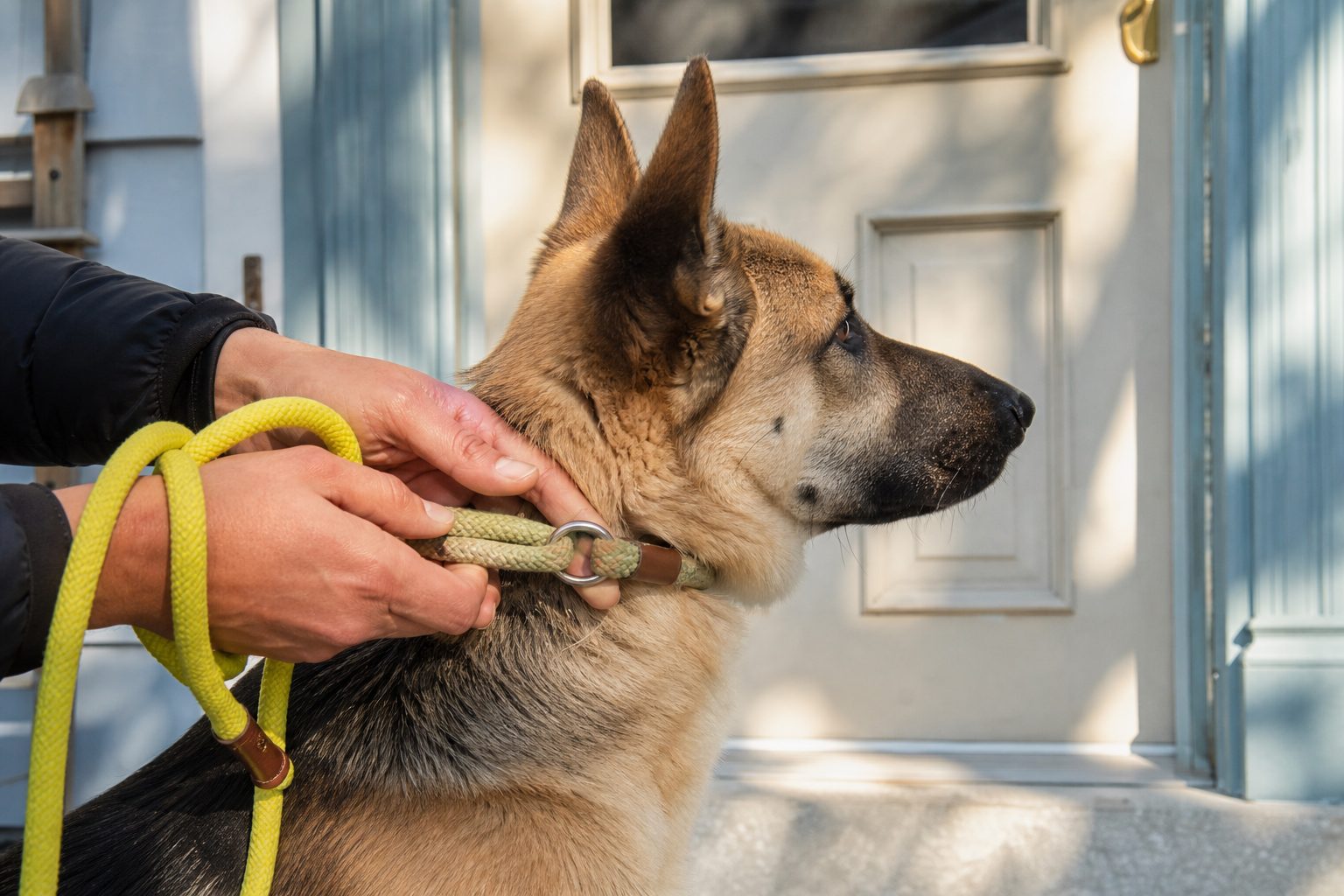
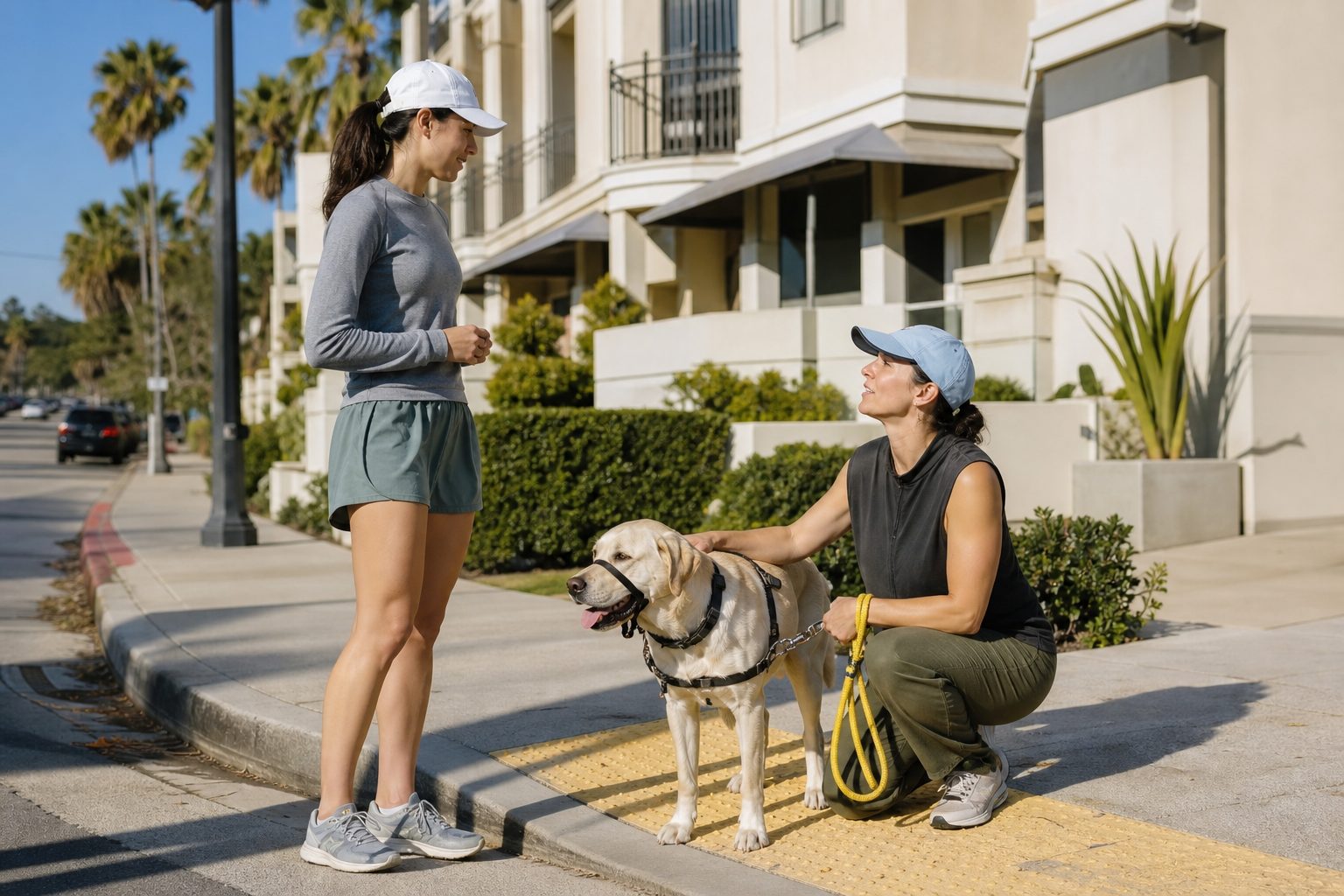
Many pet care businesses begin with solo walks. The costs are simple: fuel or transit, insurance, supplies, and a block of time focused on one dog. Your hourly rate is high relative to the effort, but the ceiling is low. Every hour with one dog usually means one client's bill.
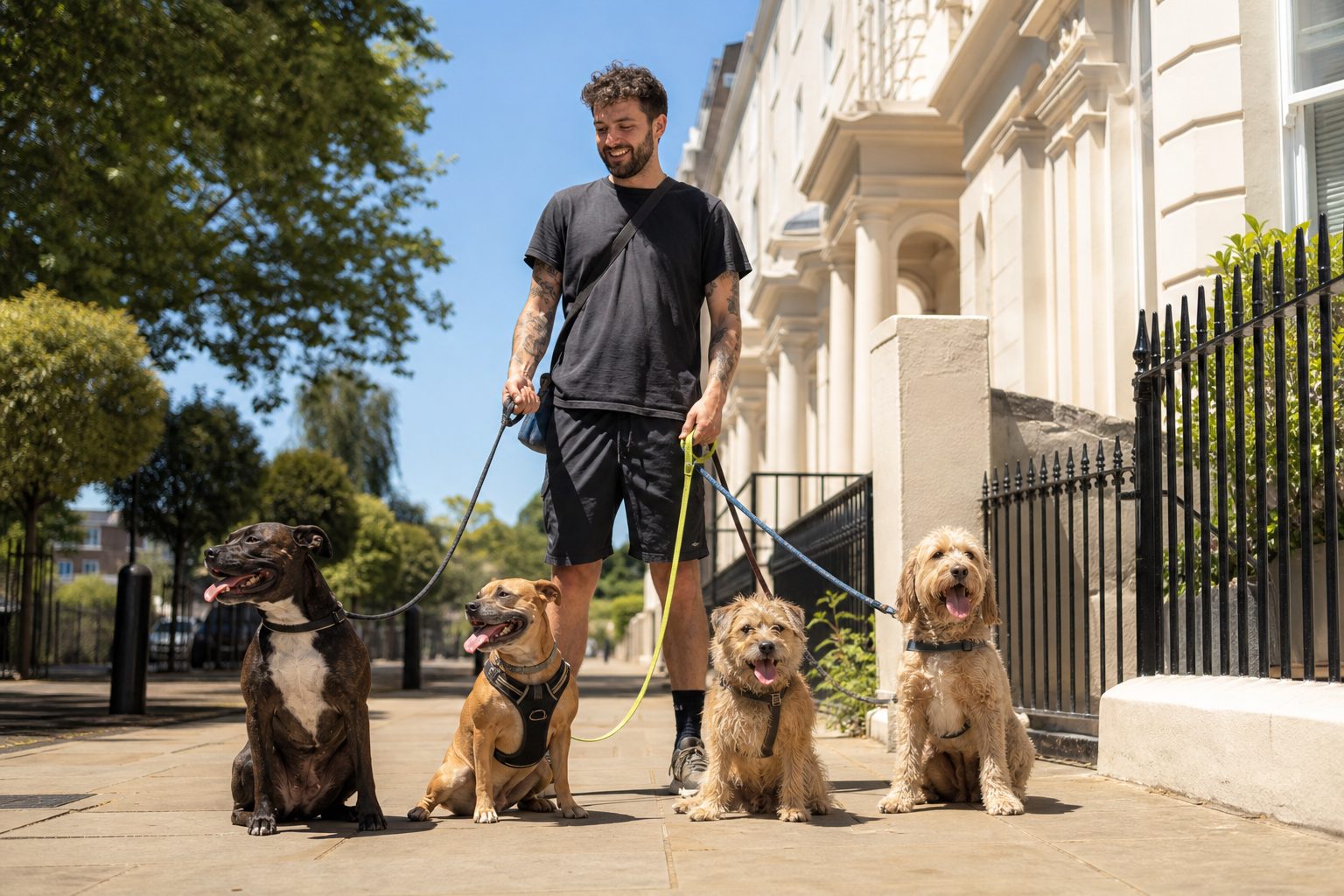
Group walks promise more revenue in the same time block. Six dogs at once can look like six times the money, but the extra dogs add complexity. Each additional dog means more gear, time for pickups and drop-offs, and more insurance risk. Some cities require a higher permit tier or an insurance rider for groups. If you transport the group by car or van, factor in vehicle costs and time spent loading and unloading.
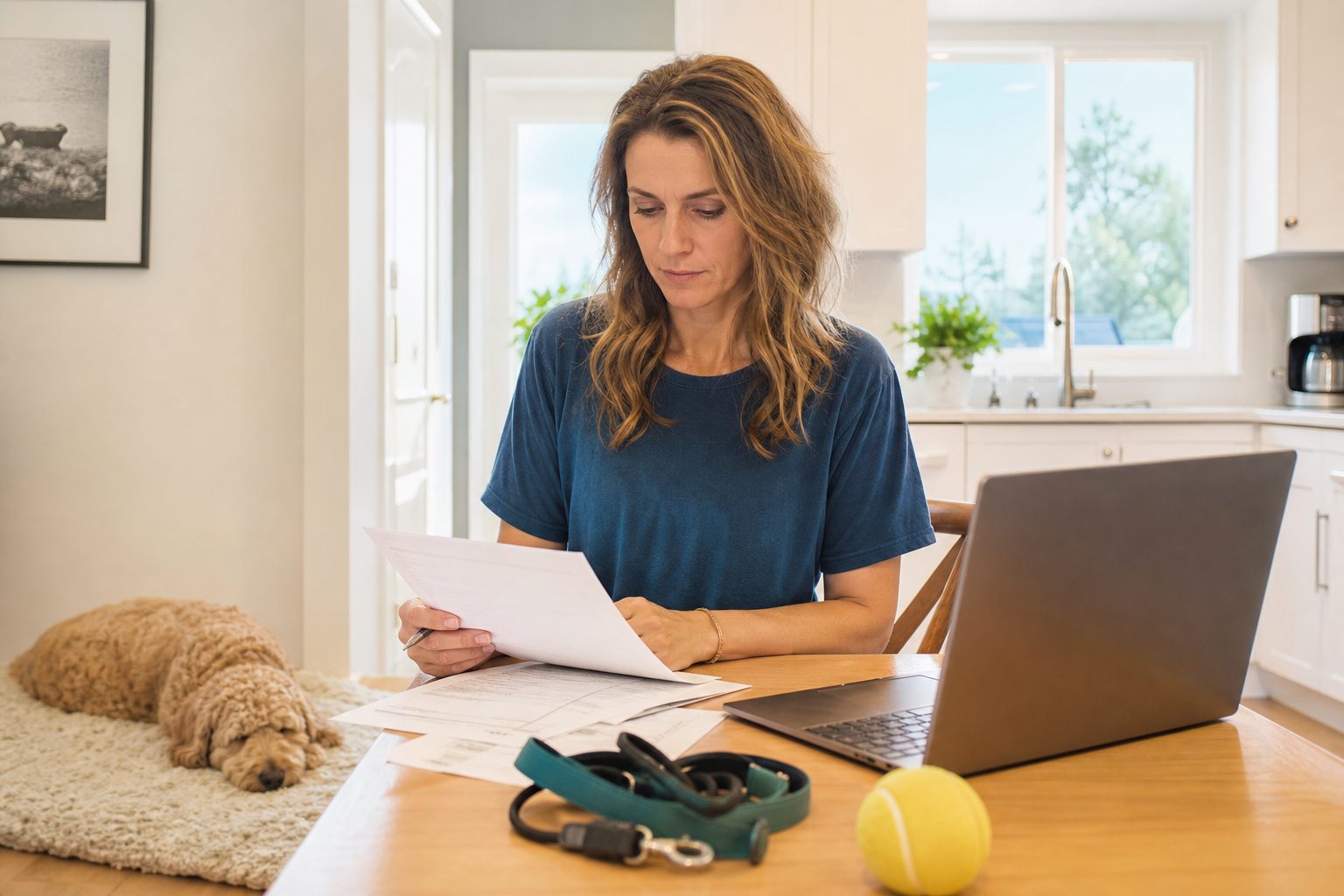
Many operators find their effective hourly earnings from group walks only outpace solo walks when the pickup trail is tight and the dogs are compatible. Unexpected delays, dog compatibility problems, or a regulatory hiccup can eat the margin. In solo walks, your hourly wage is more predictable, but scaling up means finding more hours or hiring.
Keep reading: Door, Leash, and Gear Mistakes That Let a Client's Dog Loose
Dogs per handler: what cities, parks, and insurers actually allow
Every city and park sets its own rules for the number of dogs per walker. In some places, the limit is as low as three. Larger metros may allow five or six, but only with the right insurance and permits. Parks often have stricter limits than city sidewalks, especially in areas with wildlife or heavy foot traffic.
Most commercial insurance policies set a cap for dogs per handler. If you walk more than the policy allows, any incident can void your coverage. This is one reason group walks with large packs are rare among established companies.
A few cities offer a tiered permit system, where solo walkers need only basic business paperwork, but group walkers must provide proof of higher insurance and sometimes animal care certifications. It is common for parks to require a separate permit for group walks, with posted rules and periodic checks by rangers.
Building a compatible group and the dogs that never belong in one
Successful group walks depend on choosing dogs that get along in public, walk at a similar pace, and respond to the same cues. Friendly dogs with solid leash skills, no history of aggression, and reliable recall are the foundation. Even then, it can take a few outings to settle on a mix that works.
Who fits in a group
Ideal group dogs are adults, spayed or neutered, and accustomed to being around other dogs. They should have no resource guarding issues and should be used to busy environments. Dogs that have passed a temperament test or a trial walk are more likely to succeed in a group.
Who never does
Some dogs are never right for group settings. Puppies in training, seniors with mobility issues, dogs with aggression or reactivity, and those with health problems often fare better with solo attention. Similarly, breeds with high prey drive or anxiety in crowds may not be safe or comfortable in a group.
The cost of a mismatch is high. One untested dog can disrupt the group, cause fights, or put the entire operation at risk. Many walkers use a trial period or require a behavioral assessment before enrolling a new dog in a group walk.
Keep reading: W-2 or 1099: Classifying Dog Walkers Under the ABC Test
Pickups, crating, and the vehicle rules that come with transport
Adding group walks almost always means adding transport. Picking up and dropping off multiple dogs takes time, fuel, and careful route planning. Some walkers use personal cars, others invest in vans with built-in crates. Each city and state has its own vehicle rules for commercial pet transport.
Vehicle setup and legal expectations
Most states require dogs to be restrained during transport, either in individual crates or with seatbelt harnesses. In some cities, commercial pet vans must pass periodic inspections and meet ventilation or temperature control standards. Unrestrained dogs in a vehicle can result in a ticket or, worse, increased liability if there is an accident.
Crating and safety
Proper crating prevents fights and injury during transit. Each dog needs its own space, and crates must be sized for comfort and safety. Many insurance policies require proof of crating for coverage during group transport. Cleaning and maintaining crates adds to overhead.
Time spent driving, loading, and unloading can quickly eat into the margin from group walks. Well-planned routes and reliable vehicles are essential. Some walkers choose neighborhoods where clients are close together to minimize drive time.
Liability exposure when one leash fails in a group of six
Walking multiple dogs increases the risk of an incident. If a leash clip fails or a dog slips a harness, you are responsible for every dog in the group. The risk is higher when one handler manages several leashes at once, especially in busy urban areas.
If a dog escapes and causes an injury or damages property, the walker and their business can be held liable. Insurance can help, but only within the terms of the policy. If the group size exceeds policy limits or the dogs are not properly restrained, claims may be denied.
Group walks also raise the risk of dog fights, bites, or injuries to other people or animals. Handling six leashes means less control and slower response if something goes wrong. One handler can only react so quickly if two dogs get tangled or a stranger's off-leash dog approaches.
Many operators reduce risk by using double clips, traffic leashes, and color-coded harnesses. Still, the liability exposure is always higher in a group, and one mistake can affect every client on the walk.
See how LeashReport handles this for pet services
Commercial dog walking permits in US parks and how they are enforced
In most US cities, parks require a separate permit for professional dog walkers. These permits often limit the number of dogs per handler, specify areas where dogs can be off-leash, and may require proof of insurance. The rules vary widely: a city park may allow groups of five, while a nearby county park limits walkers to three.
Permit costs range from an annual fee to a per-walk charge. Some systems require visible badges or vests for identification. Enforcement is usually spot-checked by park rangers or city staff, who may issue warnings or fines for violations.
Walkers found operating without a permit can be asked to leave the park, fined, or reported to animal control. Repeat offenders risk losing their business license. Some parks post a hotline for residents to report suspected unlicensed commercial activity, putting peer pressure on compliance.
For solo walks, permits are usually easier to obtain and less expensive. Group walks face more scrutiny, especially in busy parks or during peak hours. Many operators avoid parks with strict enforcement and focus on quieter neighborhoods or private trails where rules are more relaxed.
Route density, drive time, and the margin math behind each model
The profitability of solo versus group walks often comes down to route density. Solo walks require moving between clients, with drive or walk time between each house. Unless your clients are clustered, the unpaid time between jobs can add up quickly.
Group walks can pay better per hour if pickups are efficient and the walking route is compact. Loading up a car with five dogs from the same block means less driving, more walking. If pickups are spread out, the extra drive time can erase the revenue from the added dogs.
Many operators use mapping tools to optimize routes. A tight territory with many clients in the same area favors group walks. Suburban or rural areas, with more distance between homes, often work better for solo walks or smaller groups. The time spent driving, loading, and unloading is paid only by the hour you can bill, so route planning is key.
If you need to hire help to manage the group, the math changes again. Payroll, payroll taxes, and management time all reduce the net margin. For many solo operators, the extra revenue from group walks is only worthwhile if they can keep pickups short and the group well-matched.
Which model suits a solo operator and which needs a hired team
Solo walks are straightforward for one-person operations. You control the schedule, the route, and the client relationship. The risk is predictable, the paperwork is lighter, and you rarely need outside help.
Group walks can be managed by a solo operator, but only up to the legal limits. Once demand grows past five or six dogs at a time, or pickups stretch across different neighborhoods, it becomes hard to do it alone. Handling large groups safely and legally often means hiring staff, investing in vehicles, and dealing with more complex scheduling.
Teams allow you to run multiple walks at once, cover more territory, and serve larger groups. But they require systems for training, liability management, and client communication. Payroll and scheduling software, training protocols, and clear policies become essential as you add staff. For many businesses, the jump from solo to team operation is the biggest change, with higher risk but also the potential for higher total revenue.
Whether you go solo or build a team, reliable walk reports and clear communication are critical. Tools that provide GPS tracking, photo updates, and automatic delivery of potty logs help keep owners satisfied and build trust, no matter how many dogs you walk or how you staff your routes.