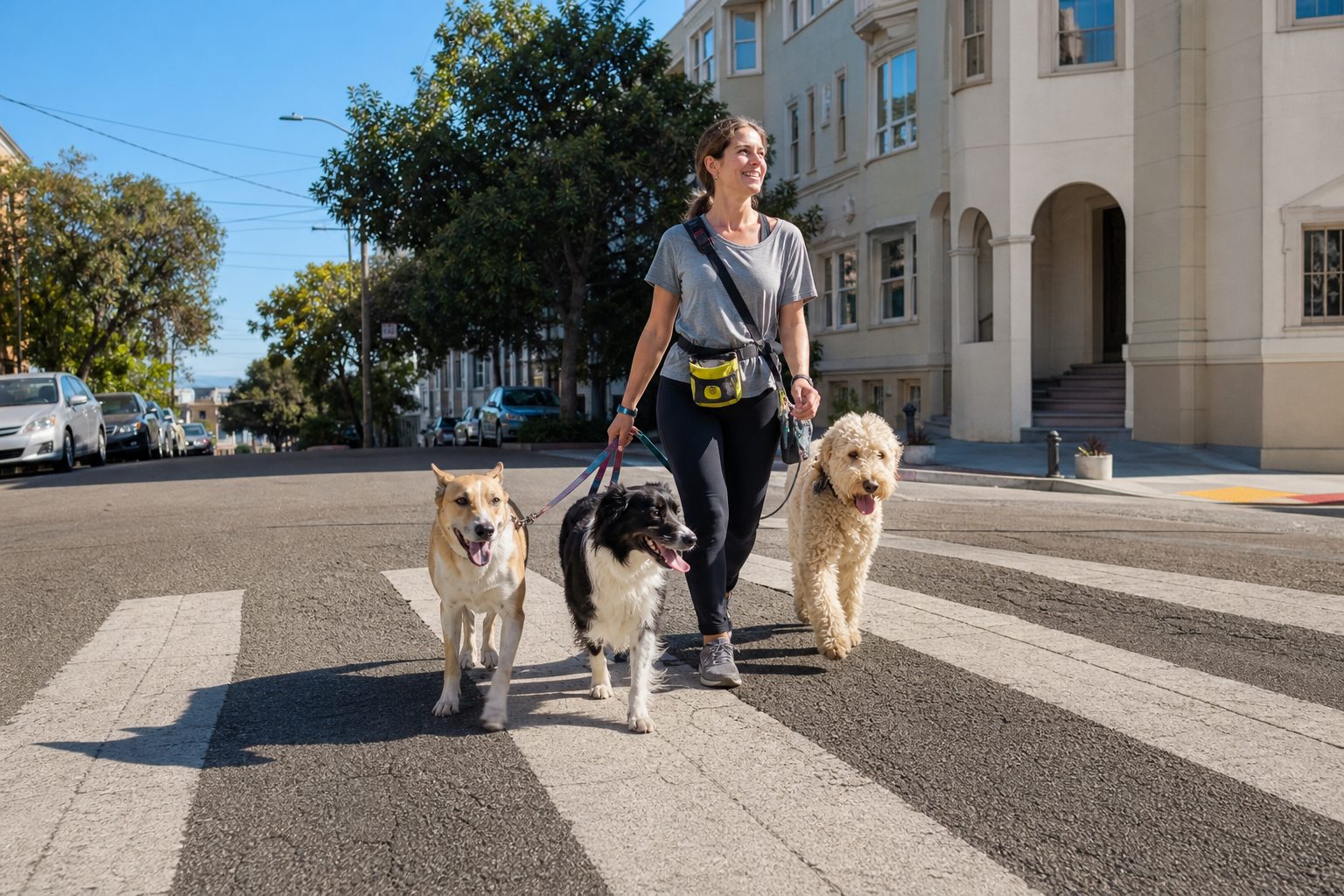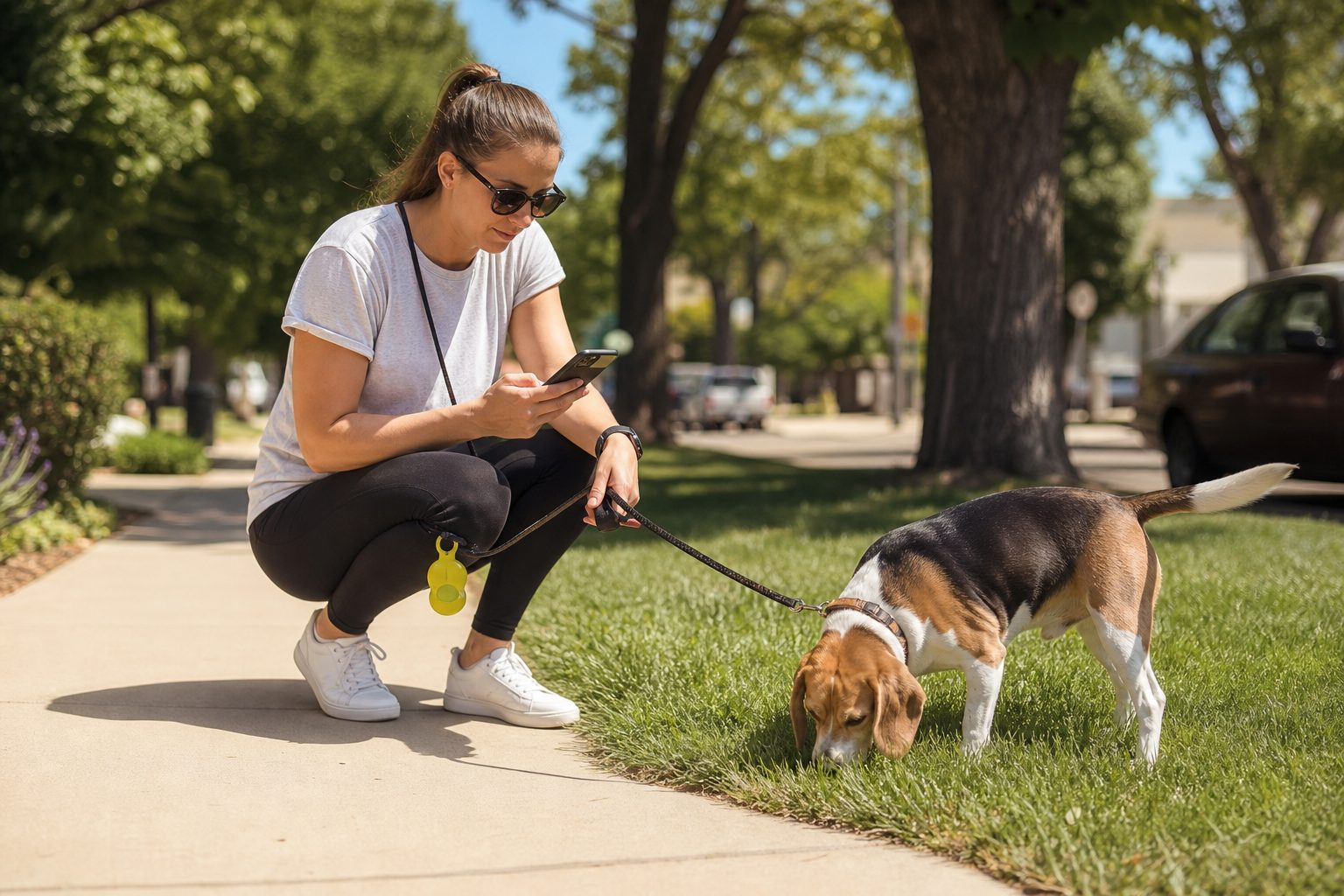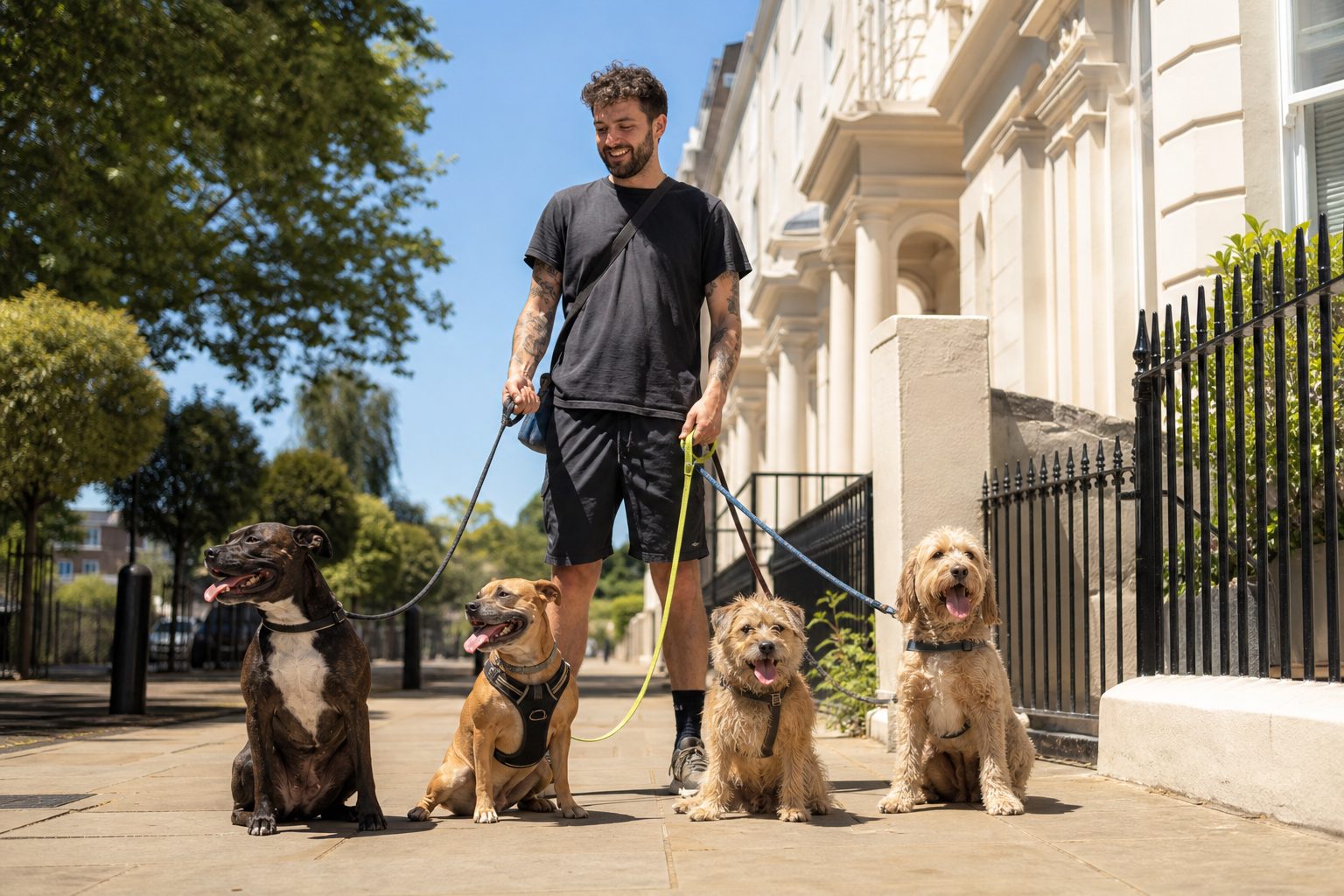
Air temperature versus surface temperature on asphalt and concrete
Air temperature is only part of the story when it comes to walking dogs during the hotter months. Asphalt and concrete surfaces absorb and retain heat much longer than surrounding grass or shaded areas. On a sunny day, the temperature of asphalt can rise sharply above the actual air temperature, often by dozens of degrees. The darker the material, the more heat it holds, creating a dangerous surface for sensitive paw pads.
For example, when the air is 85 degrees Fahrenheit, asphalt can easily reach temperatures over 130 degrees. Concrete usually runs a little cooler than asphalt but can still rise far above the air temperature, especially in direct sun. These conditions mean that asphalt may burn paws in seconds, even when the air feels merely warm to humans.
The timing of exposure makes a difference. Even after sunset, pavement can retain enough stored heat to stay dangerous. You should always check the surface itself, not just the weather app, before heading out with a dog in summer.
Keep reading: A Midday Route in a Walk Up Neighborhood: Six Dogs, Three Hours
The seven second hand test and what it really measures
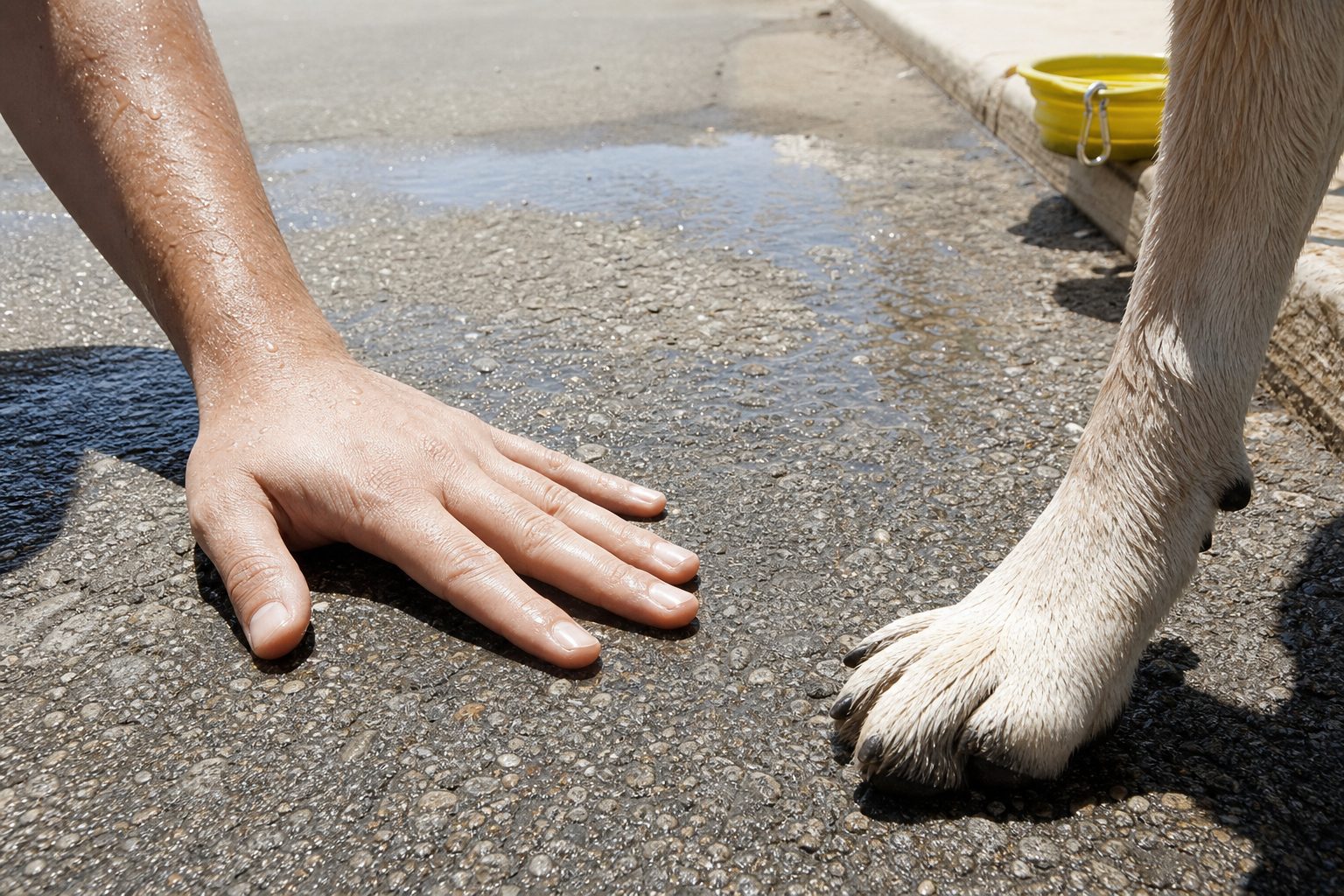
The seven second hand test is a simple way to check if pavement is safe for a dog's paws. To perform it, press the back of your hand firmly against the surface for a full seven seconds. If it becomes uncomfortable or painful to keep your hand there, it is too hot for a dog to walk without risk of burns.
This test measures direct heat transfer, much like what a paw would experience. Dogs' pads are tougher than human skin, but they are not immune to burns. The test also has limits: it cannot account for repeated exposure, thin pads on puppies or seniors, or the effects of humidity. If you struggle to last the full seven seconds, paws will likely burn faster than you expect.
It is good practice to perform this check at several points along your planned route, especially where shade is limited. Sidewalks, blacktop driveways, and parking lots can all heat up at different rates. If any section fails the test, consider changing course or delaying the walk.
Heat index, humidity, and the point where panting stops cooling a dog
The heat index combines air temperature and humidity to gauge how hot it truly feels. For dogs, humidity is a crucial factor because their primary cooling method is panting. When the air is humid, evaporation slows, and panting becomes much less effective. This means dogs cannot shed heat as quickly and will overheat under conditions that might seem manageable on paper.
Dogs begin to struggle when the heat index climbs above the high 80s, especially with humidity above 60 percent. The risk rises sharply for brachycephalic (short-nosed) breeds, heavy-coated dogs, and those with health conditions. On muggy days, even short walks can pose a threat, and shade or water breaks become essential.
Unlike people, dogs do not sweat all over their bodies, so the relief from a breeze is minimal if the air is moist. In high humidity, the safe walking window shrinks to early mornings and late evenings, and even then, close monitoring is needed. Always consider the heat index, not just the air temperature, when planning your route.
Keep reading: How to Read and Log a Dog's Bathroom Break on Every Walk
Breed, muzzle length, age, and weight factors that shrink the window
Not all dogs tolerate heat the same way. Breed plays a significant role, with short-nosed breeds like Bulldogs, Pugs, and Shih Tzus at much higher risk for heat stress. Their anatomy makes it harder to breathe efficiently and expel heat through panting.
Age and Health Status
Puppies and senior dogs have less efficient thermoregulation. Their paw pads may also be thinner or more fragile, increasing the risk of burns. Dogs with chronic illnesses, heart problems, or who are on certain medications may be less able to cope with heat.
Weight and Coat Type
Overweight dogs have more difficulty dissipating heat and may get tired quickly. Thick-coated breeds, such as Huskies and Newfoundlands, can suffer heat stress faster than short-coated dogs. Even within the same breed, individual tolerance can vary, so it pays to know each dog's limits and history.
If you walk multiple dogs together, always use the one with the lowest heat tolerance to set your pace and endpoints. A dog that lags, pants excessively, or seeks shade is signaling discomfort, and the safest option is to cut the walk short.
Heat stress signs on a leash and the first cooling steps that help
Recognizing the early signs of heat stress is critical for every professional walker. The most common symptoms include heavy or rapid panting, excessive drooling, red gums, glazed eyes, and reluctance to walk. Some dogs may lie down and refuse to move, seek out shade, or appear disoriented.
If you see these signs, stop immediately. Move the dog to a shaded or air-conditioned area and offer cool, not ice cold, water. Cool the dog by wetting their paws, belly, and ears with water. Use a damp cloth or pour water gently over these areas. Never force a dog to drink but encourage lapping if they are able. Remove any gear that may trap heat, such as vests or boots, unless paw protection is needed for surface safety.
If symptoms do not improve within a few minutes, or if the dog collapses, vomits, or loses consciousness, seek veterinary attention right away. Heatstroke can develop rapidly and is life-threatening. Always err on the side of caution and prioritize the dog's safety over finishing a scheduled route.
See how LeashReport handles this for pet services
Shifting the route: early starts, shade lines, grass, and water stops
Adjusting your walking schedule is one of the most effective ways to avoid dangerous surface temperatures. Early morning and late evening walks are usually safest, as pavement has had time to cool overnight or after sunset. Midday walks, if unavoidable, should be kept brief and limited to shaded areas.
Route Selection and Surface Choice
Look for routes that follow tree lines, high fences, or buildings that cast shade. Grass and dirt trails remain much cooler than pavement and are gentler on paws. If your regular path crosses large parking lots or exposed blacktop, consider a detour or loop to stay on grass as much as possible.
Water and Rest Breaks
Plan for frequent water stops, especially on longer routes. Carry a collapsible bowl or use designated dog fountains in parks. Pause every ten to fifteen minutes in the shade to check for signs of heat stress. If you walk in neighborhoods, note shaded lawns or porches where a dog can rest if needed.
Some walkers use protective booties for high-risk dogs, but these can create other problems if not fitted correctly or if they trap heat. Test them first to ensure dogs can tolerate them, and check paws regularly during use.
Cold thresholds, road salt, ice melt, and cracked paw pads
Hot weather is not the only surface hazard. In winter, icy sidewalks, road salt, and ice melt chemicals can damage paw pads and create slip risks. While most dogs tolerate short walks in mild cold, deep freezes and wind chills can numb paws quickly, leading to frostbite or cracked pads.
Deicer products are another challenge. Many ice melts contain salts or chemicals that irritate skin or cause illness if licked off. After winter walks, it is good practice to rinse or wipe each paw to remove residue. Petroleum jelly or wax-based balms can protect paws but need regular reapplication to stay effective.
Cracked or bleeding pads should be treated as a health concern. Limit walks on rough or treated surfaces, and keep a first aid kit stocked with antiseptic wipes and bandages. If a dog limps or resists walking, check for ice balls between toes or cuts from sharp grit. Report any injuries to the owner and recommend a vet visit if healing does not begin within a day or two.
Putting a written weather policy in front of clients before summer
Professional pet care companies benefit from a clear, written weather safety policy. This policy should spell out your approach to heat, cold, and surface hazards, including how you decide when to cancel or shorten walks. Include details on temperature thresholds, hand test protocols, signs that prompt route changes, and the ways you keep owners updated about their dogs' health and activity.
Clients appreciate transparency and consistency. A formal policy builds trust, reduces the risk of complaints, and ensures you can act quickly if conditions change. Many walkers now use tools that log walk details in real time, including GPS routes, photos, and potty breaks. These reports provide proof of service, document route changes, and allow for quick sharing with owners when weather forces an adjustment.
Using a system that automatically records walk conditions and delivers updates to clients helps pet care businesses manage risk and provide peace of mind during extreme weather. This level of detail is why more operators are turning to specialized software like LeashReport, which supports GPS tracked walk reports, photo cards, potty logging, and automatic owner delivery.